
No products in the basket.
Roller Bearings
Roller Bearings: Types, Industrial Applications & Benefits
Roller bearings are engineered to support heavy loads and reduce friction between moving parts by using cylindrical, tapered, or barrel-shaped rolling elements in place of balls. Known for their high load-carrying capacity, roller bearings are a common choice across heavy industry, automotive, and power transmission applications where durability and strength are critical. This page explains what roller bearings are, the products included in this category, where they're used, and how they compare to ball bearings.
What Are Roller Bearings?
A roller bearing consists of an inner and outer race separated by cylindrical, tapered, spherical, or needle-shaped rollers, typically held in position by a cage. Because the rollers make line contact with the raceways rather than the single point contact seen in ball bearings, roller bearings can distribute load over a larger surface area. This makes them particularly well suited to heavy radial loads, shock loading, and applications where durability under demanding conditions is a priority.
Products Included in the Roller Bearing Category
Our roller bearing range covers the following product types, each suited to particular load types, speeds, and operating conditions:
Axial Cylindrical Roller Bearings
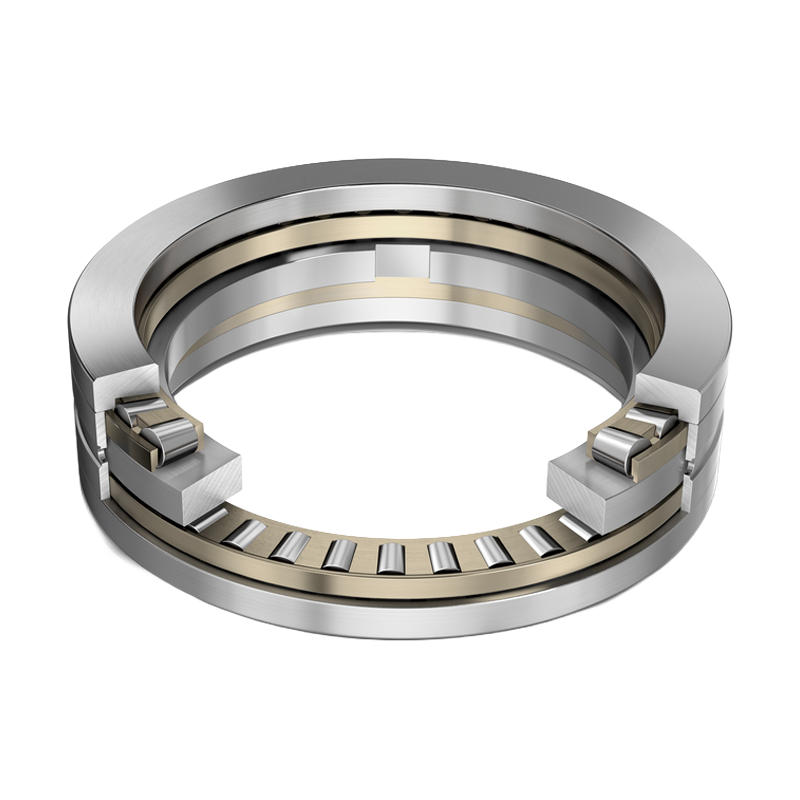
Support heavy axial loads in one direction while accommodating high speeds, commonly used where space is limited.
Axial Spherical Roller Bearings
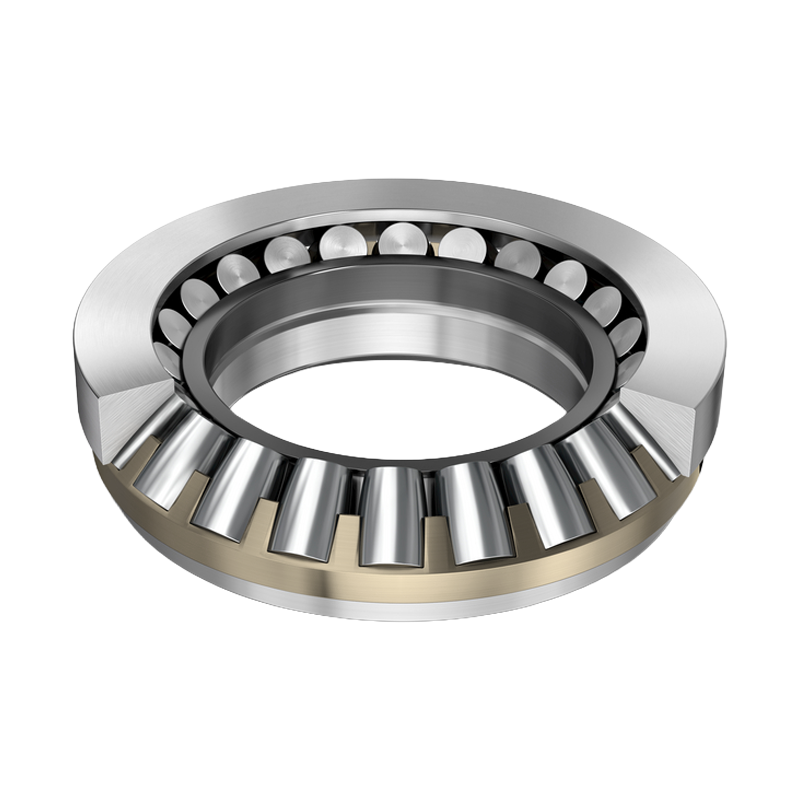
Combine high axial load capacity with the ability to accommodate misalignment, thanks to their spherical raceway design.
Axial Tapered Roller Bearings
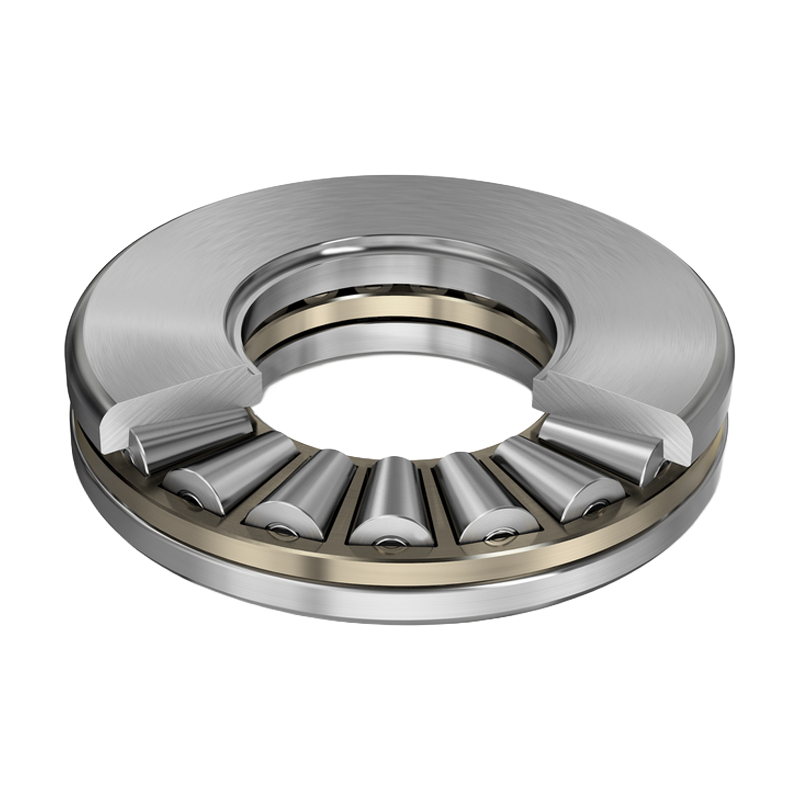
Handle heavy, predominantly axial loads, often used in applications such as rolling mills and heavy machinery.
Barrel roller bearings
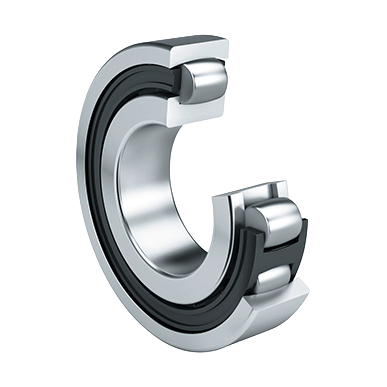
Feature barrel-shaped rollers that provide high radial load capacity along with limited self-aligning capability.
Crossed roller bearings
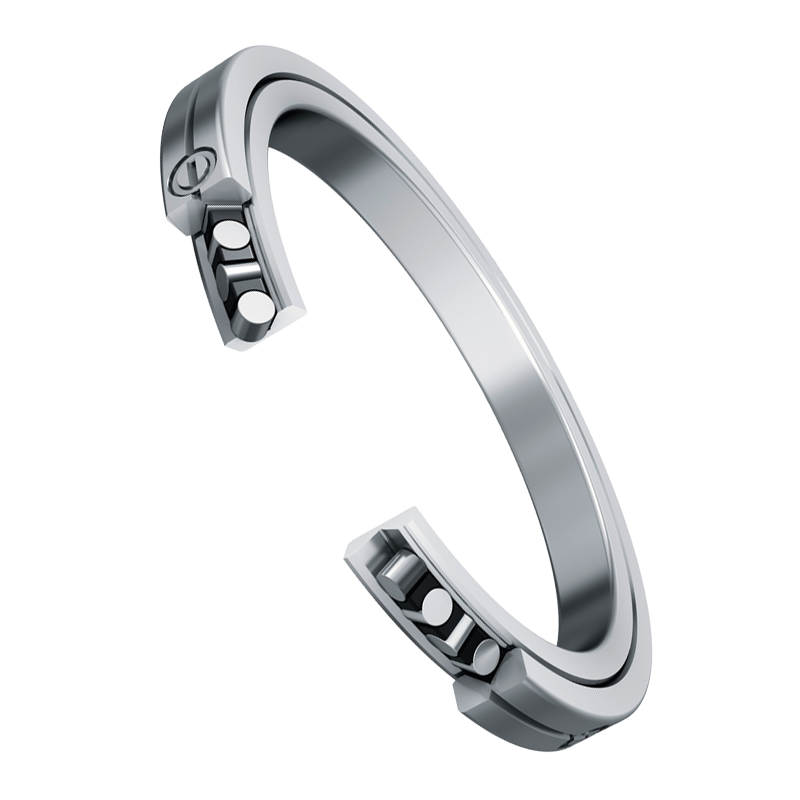
Use rollers arranged at 90º to one another in a single row, allowing the bearing to handle radial, axial, and moment loads simultaneously in a compact design.
Cylindrical roller bearings
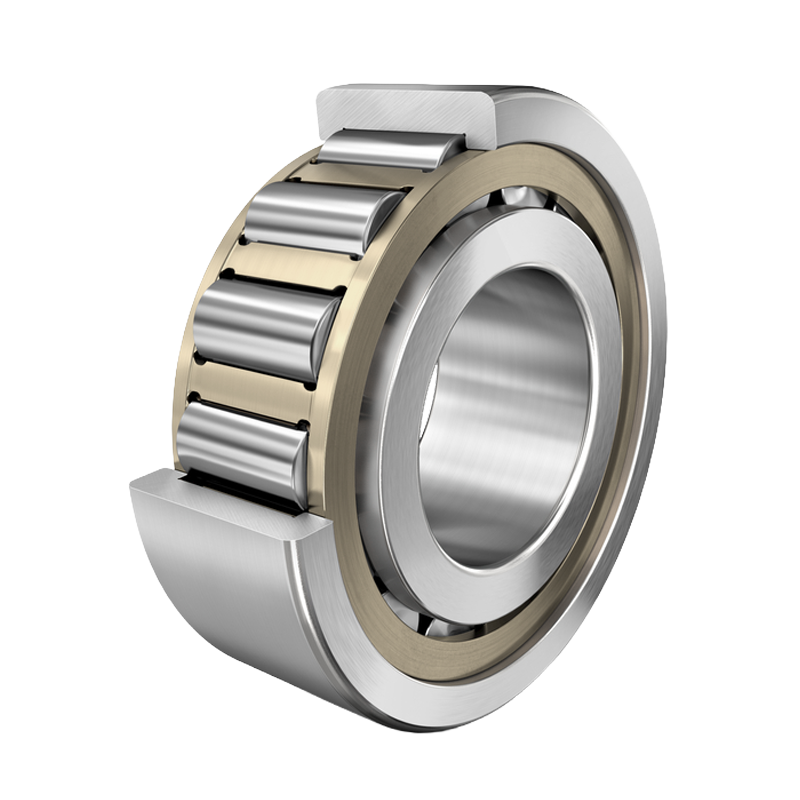
Support heavy radial loads at moderate to high speeds, widely used in electric motors, gearboxes, and machine tools.
Drawn Cup Roller Bearings-Closed End
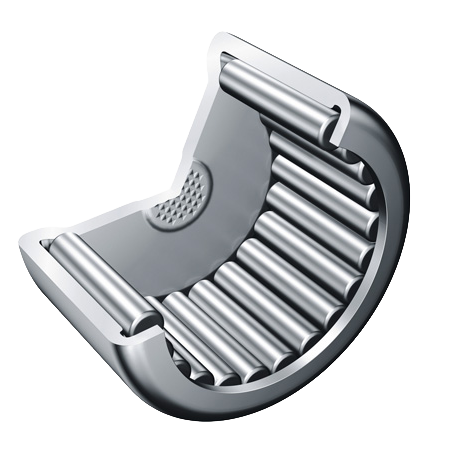
Compact, needle-type bearings with a closed end that seals off one side of the housing, useful where contamination ingress needs to be minimised.
Drawn Cup Roller Bearings-Open End
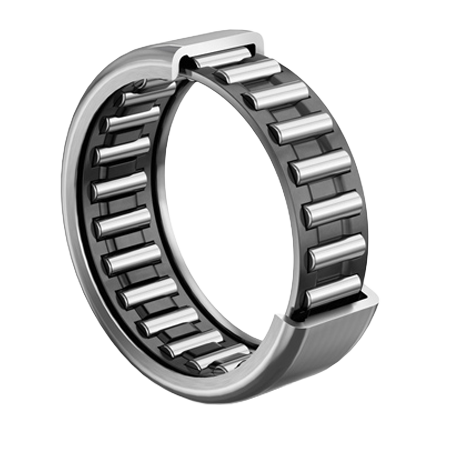
Compact, needle-type bearings open at both ends, allowing for through-shaft applications in space-constrained designs.
Drawn Cup Roller Clutches
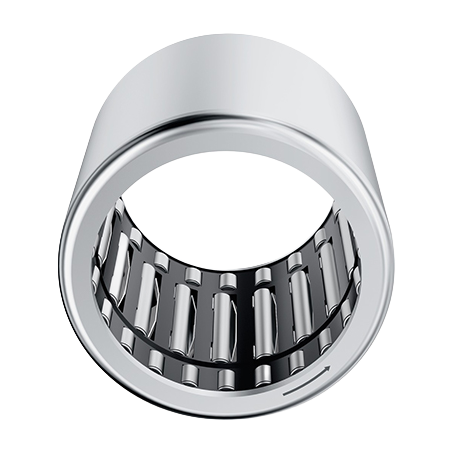
Combine a drawn cup roller bearing design with a one-way clutch function, allowing free rotation in one direction while locking in the other.
Spherical Roller Bearings
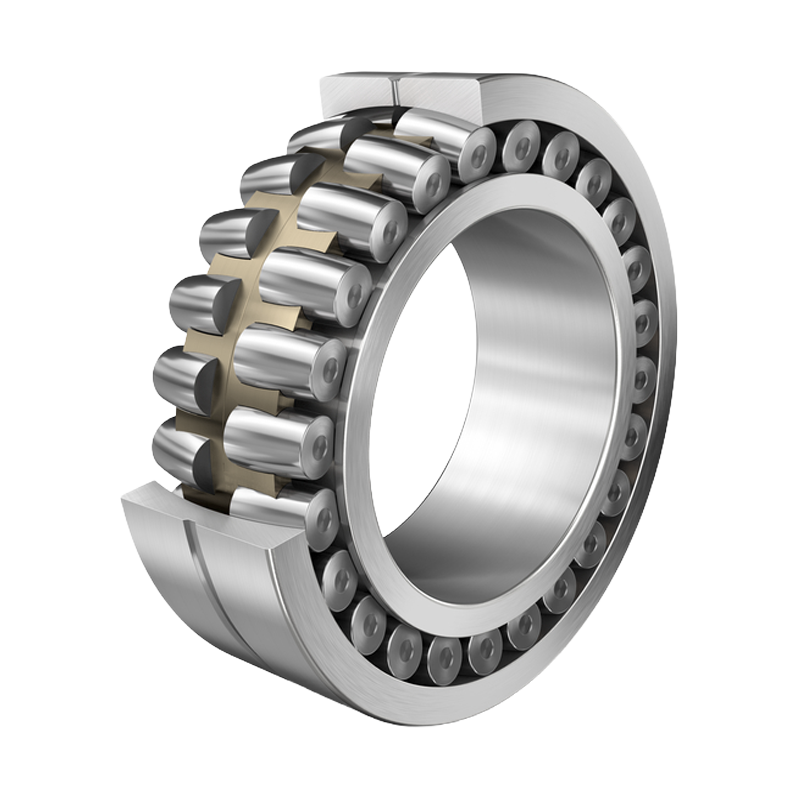
Feature barrel-shaped rollers and a spherical outer raceway, accommodating heavy loads alongside shaft misalignment.
Tapered Roller Bearings
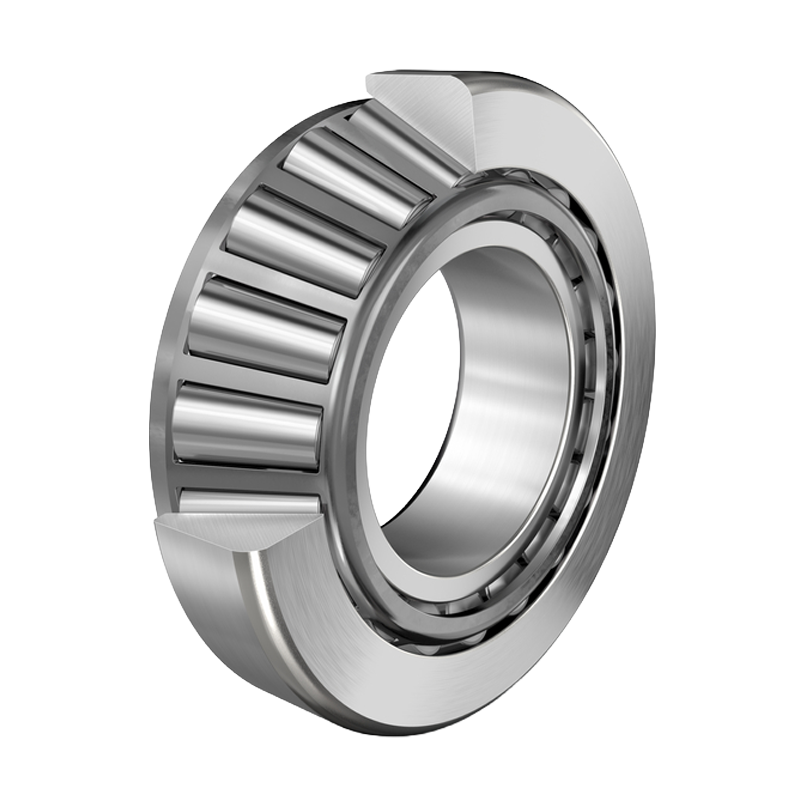
Designed with tapered rollers and raceways to handle combined radial and axial loads, widely used in wheel hubs, differentials, and gearboxes.
Toroidal Roller Bearings
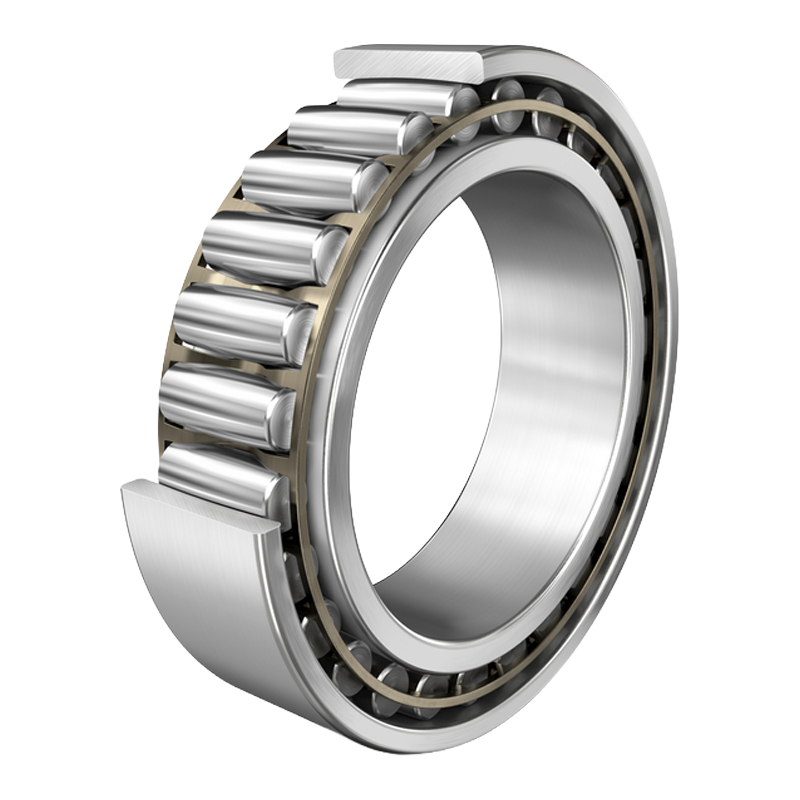
Combine high radial load capacity with the ability to accommodate axial displacement and misalignment.
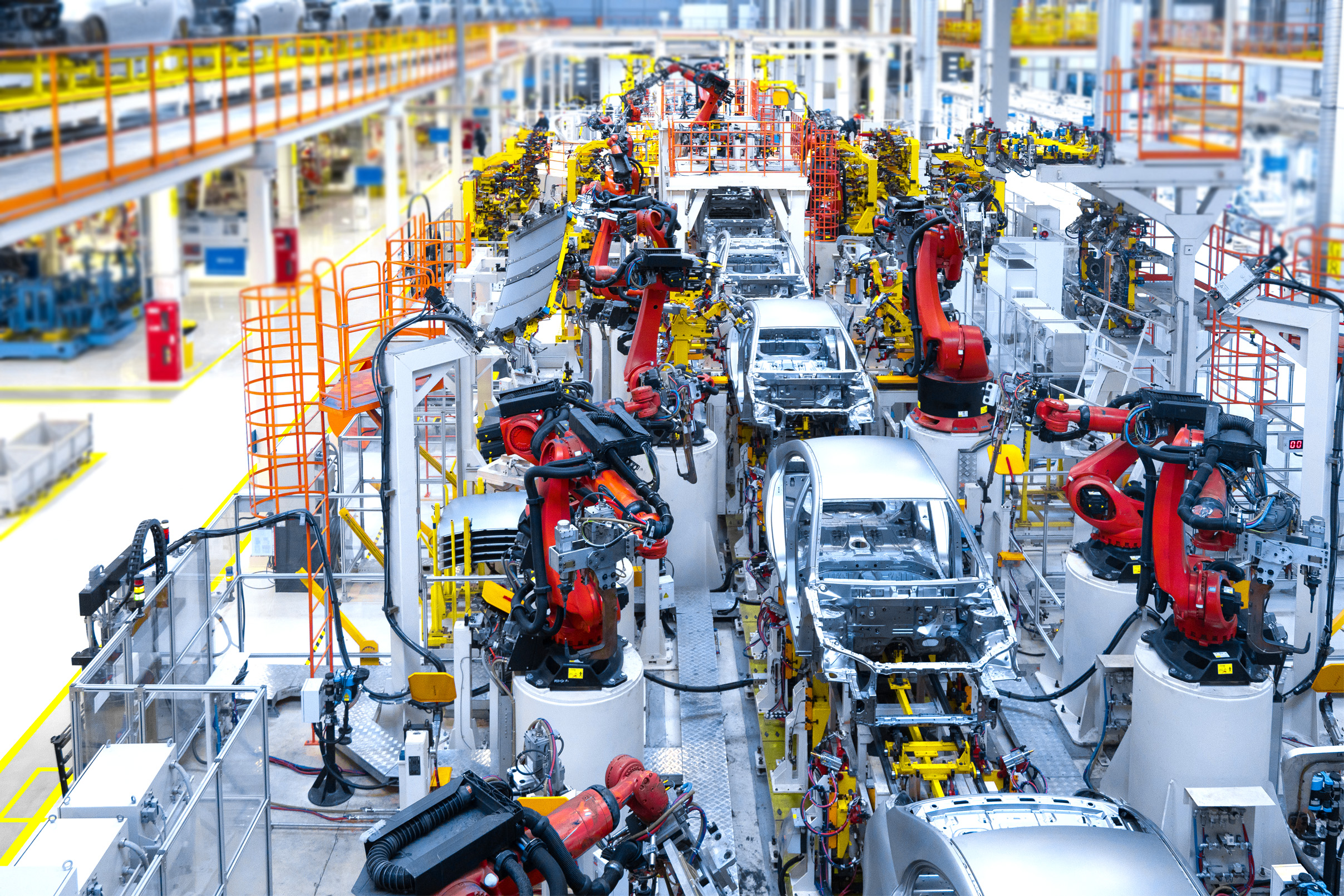
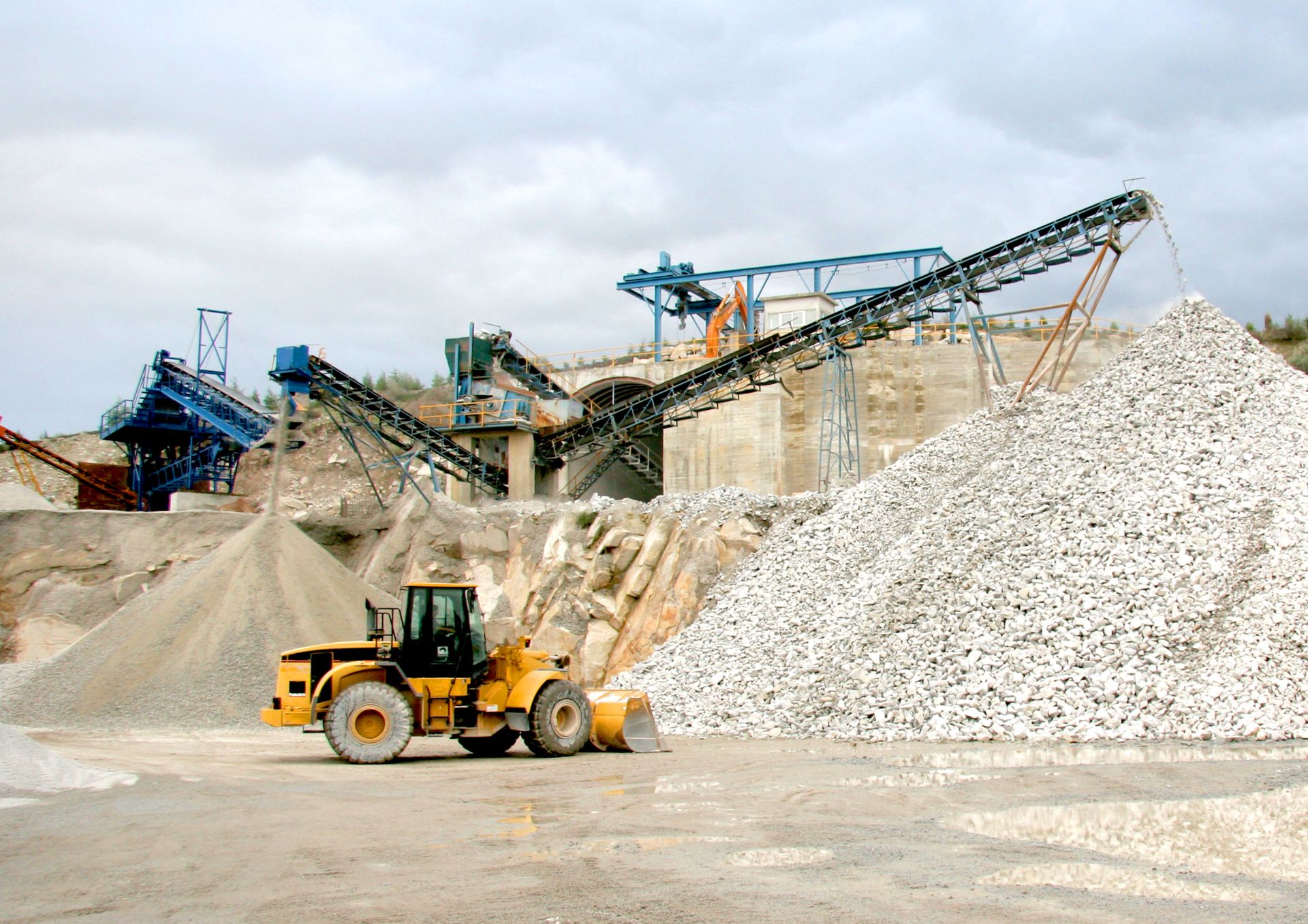

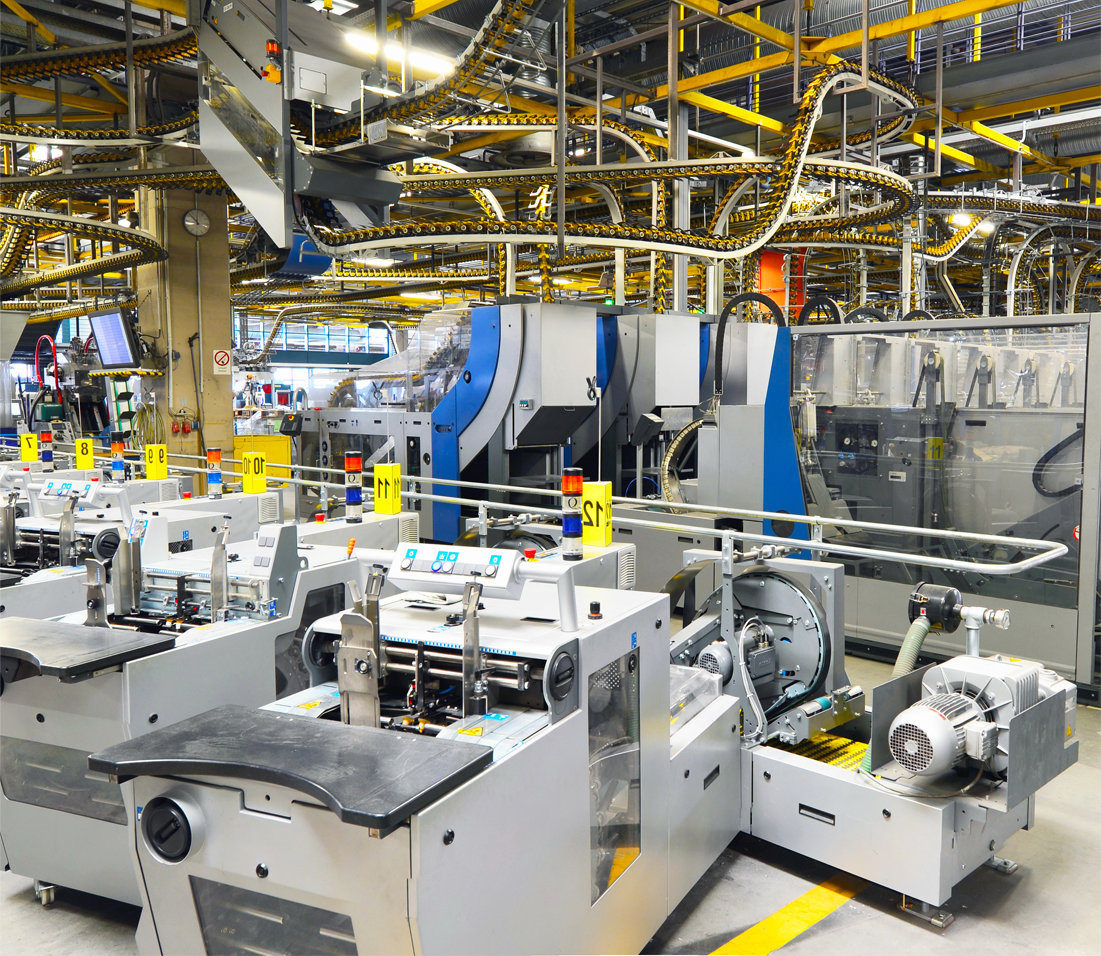
Industrial Uses for Roller Bearings
The strength and durability of roller bearings make them a natural fit for heavy-duty and high-load applications, including:
- Heavy machinery and construction equipment – excavators, loaders, and cranes subject to high radial and shock loads
- Automotive and commercial vehicles – wheel hubs, transmissions, and differentials
- Power generation – wind turbine main shafts, gearboxes, and generators
- Mining and quarrying – crushers, conveyors, and screening equipment operating under heavy, continuous loads
- Steel and metal processing – rolling mills and heavy processing machinery
- Rail – axle boxes and traction motors supporting rolling stock
- Agricultural machinery – gearboxes and drivetrains on tractors and harvesters
- Industrial gearboxes and drives – supporting shafts carrying high torque and radial loads
- Material handling – conveyor systems and pulleys carrying heavy or continuous loads
Roller Bearings vs. Ball Bearings: Key Differences
Feature
Roller Bearings
Ball Bearings
Contact Type
Line contact between roller and race
Point contact between ball and race
Load Capacity
Higher radial load capacity
Better suited to light-to-moderate loads
Speed Capability
Generally lower maximum speeds
Generally higher speed capability
Shock Load Tolerance
Better tolerance of shock and heavy loading
Less tolerant of heavy shock loads
Noise Level
Can generate more noise under load
Generally quieter operation
Size & Weight
Often larger and heavier for a given load capacity
Generally more compact
Typical Use Case
Heavy industrial, high-load applications
High-speed, precision, or space-constrained applications
Benefits of Roller Bearings
Choosing the Right Roller Bearing
Selecting the correct roller bearing depends on factors such as load type and magnitude, rotational speed, available space, shaft alignment, and the operating environment. Our team can help you identify the right roller bearing for your specific application, contact us to discuss your requirements.
How Can Bearing Depot Help?
Seek Product Support
Looking for more information about our products or have any questions? Submit our contact form and one of our specialists will be in touch with you as soon as possible.
Alternatively, you can:
Call us at
01952 676925
Email us at
sales@bearingdepot.co.uk