
No products in the basket.
The Difference Between Adapter & Withdrawal Sleeves
Sleeves: Adapter Sleeves, Withdrawal Sleeves & Speedi-Sleeves Explained
Sleeves play an essential supporting role in bearing installation, removal, and shaft maintenance, helping to keep machinery running reliably with minimal downtime. From fitting a bearing securely onto a shaft to restoring a worn shaft surface, the right sleeve makes the job faster, safer, and more precise. This page explains the different types of sleeves we supply (adapter sleeves, withdrawal sleeves, and Speedi-Sleeves) what each one is used for, and how to tell them apart.
What Are Sleeves Used For?
Sleeves are cylindrical fitting components used alongside bearings and shafts to solve a specific mechanical problem: securing a bearing in place, removing it safely, or repairing a worn shaft surface. While they're often grouped together as bearing accessories, each type of sleeve serves a distinct purpose, and choosing the correct one depends entirely on the task at hand, mounting, dismounting, or shaft repair.
Products Included in the Sleeves Category
Adapter Sleeves
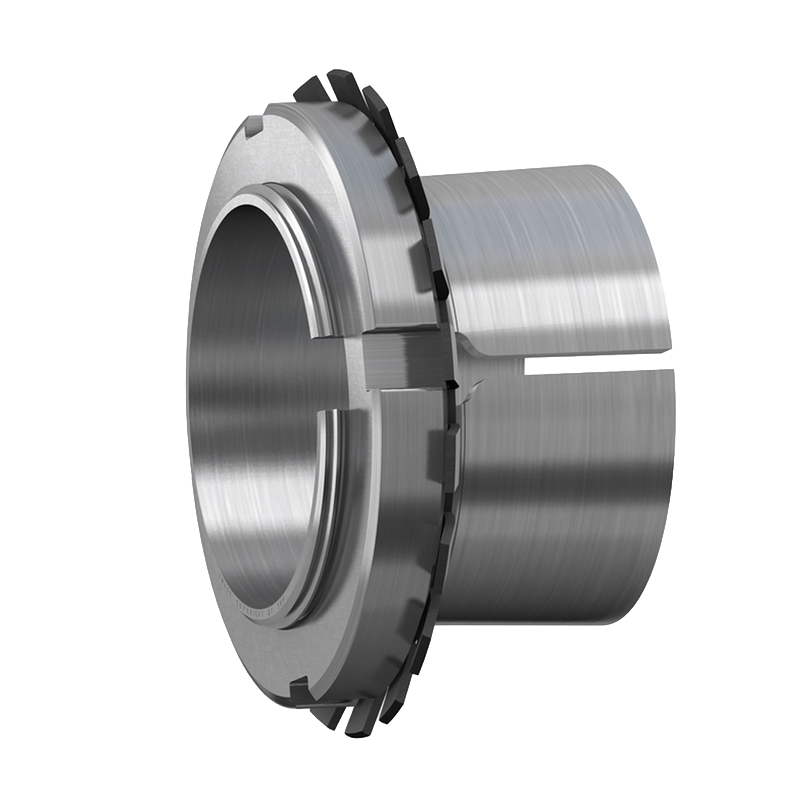
Adapter sleeves are used to mount bearings with a tapered bore onto a straight (cylindrical) shaft. They feature a tapered outer surface and a straight inner bore matching the shaft diameter. As the sleeve is driven onto the shaft and into the bearing's tapered bore, it expands slightly, creating a strong, frictional grip that securely locates the bearing. Most adapter sleeves are fitted with a thread and locknut system, allowing the locknut to push against the bearing's inner ring and draw it up the sleeve's taper until the correct, secure fit is achieved. Adapter sleeves are widely used wherever a tapered-bore bearing needs to be fitted onto a standard cylindrical shaft, without requiring the shaft itself to be machined with a taper.
Withdrawal Sleeves
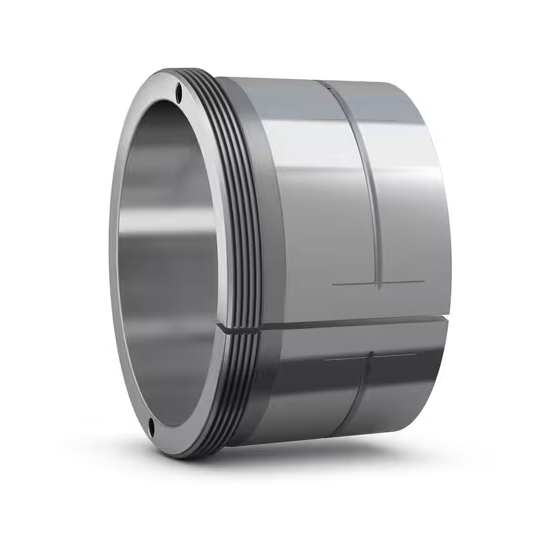
Withdrawal sleeves are designed for the opposite job: safely and efficiently removing bearings, pulleys, gears, and other tapered-bore components from a shaft. Like adapter sleeves, they feature a tapered outer surface and a straight inner bore, but they're engineered specifically for straightforward dismounting rather than long-term secure fitting. Using a withdrawal sleeve allows a bearing to be removed with a secure, even grip, minimising the risk of damage to the shaft or component during removal. This makes them a valuable tool for planned maintenance, reducing both downtime and the risk of costly damage during bearing replacement.
Speedi-Sleeves
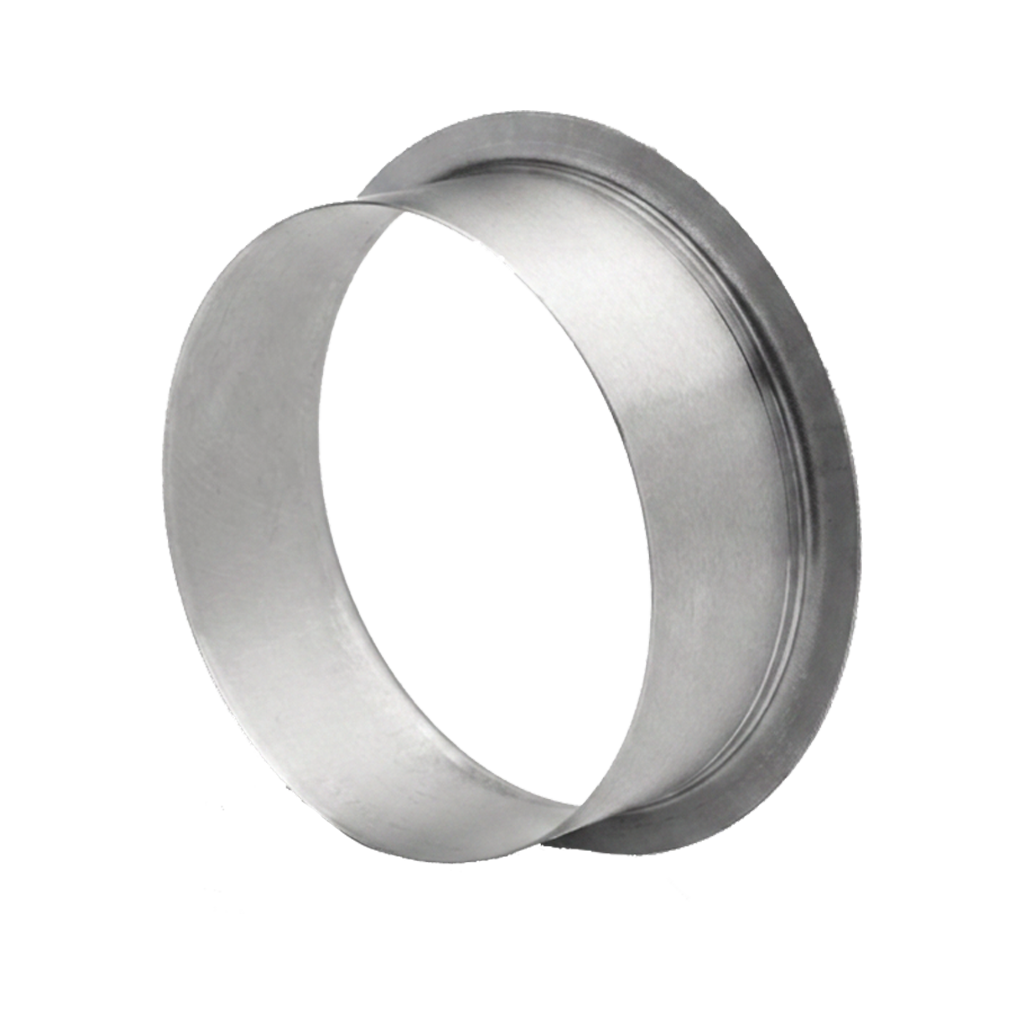
Speedi-Sleeves are thin, precision-engineered metal sleeves designed to be fitted over a worn or damaged section of shaft, restoring a true, smooth running surface for an oil seal to work against. Over time, the point where a rotary shaft seal contacts a shaft can wear a groove, leading to leaks even if the seal itself is still in good condition. Rather than replacing or re-machining the entire shaft, a Speedi-Sleeve can be fitted quickly over the worn area, providing a new sealing surface at a fraction of the cost and downtime of a full shaft replacement. Speedi-Sleeves are typically supplied with a fitting tool and are designed for quick, straightforward installation on site.




Industrial Uses for Sleeves
Adapter, Withdrawal, and Speedi-Sleeves are used across a wide range of industries wherever bearings are mounted on shafts or shaft wear needs addressing, including:
- Manufacturing and processing plants – bearing installation and maintenance across production machinery
- Mining and quarrying – heavy-duty shaft assemblies subject to regular maintenance
- Agricultural machinery – shaft and bearing maintenance on farm equipment
- Material handling – conveyor systems and pulleys requiring bearing replacement
- Power generation – gearbox and generator shaft maintenance
- Pumps and gearboxes – common locations for worn seal contact areas suited to Speedi-Sleeve repair
- General industrial maintenance – planned and reactive maintenance programmes across almost any rotating machinery
Adapter Sleeves vs. Withdrawal Sleeves vs. Speedi-Sleeves: Key Differences
Feature
Adapter Sleeves
Withdrawal Sleeves
Speedi-Sleeves
Primary Function
Mounting a tapered-bore bearing onto a straight shaft
Removing a tapered-bore bearing or component from a shaft
Repairing a worn shaft surface for oil seal contact
Fit Type
Expands to create a secure, permanent frictional grip
Provides an even grip for controlled, damage-free removal
Fits directly over the worn shaft area
Typical Use Case
New bearing installation
Planned maintenance and bearing replacement
Restoring a leaking oil seal without shaft replacement
Installation Method
Driven on using a locknut and thread system
Used with withdrawal tools or hydraulic methods for controlled removal
Fitted using a supplied installation tool
When You Need One
Fitting a new tapered-bore bearing
Removing an existing bearing or component
Fixing a shaft with a worn or grooved seal contact area
Benefits of Using the Right Sleeve
Which Sleeve Do You Need?
If you're fitting a new tapered-bore bearing onto a straight shaft, you'll need an Adapter Sleeve. If you're removing an existing bearing or component from a shaft, a Withdrawal Sleeve is the right tool for the job. If you're dealing with a shaft that's developed a worn or grooved area where an oil seal runs, a Speedi-Sleeve offers a quick, cost-effective repair rather than requiring a full shaft replacement. If you're not sure which sleeve suits your situation, our team can help you identify the right solution, contact us to discuss your requirements.
How Can Bearing Depot Help?
Seek Product Support
Looking for more information about our products or have any questions? Submit our contact form and one of our specialists will be in touch with you as soon as possible.
Alternatively, you can:
Call us at
01952 676925
Email us at
sales@bearingdepot.co.uk