
No products in the basket.
Ball Bearings
Ball Bearings: Types, Industrial Applications & Benefits
Ball bearings are among the most widely used mechanical components in industry, designed to reduce friction between moving parts by using spherical rolling elements to support radial and axial loads. Valued for their efficiency, versatility, and ability to operate at high speeds, ball bearings are found in almost every type of machinery, from household appliances to aircraft engines. This page explains what ball bearings are, the products included in this category, where they're used, and how they compare to other bearing types.
What Are Ball Bearings?
A ball bearing consists of two rings (an inner and outer race) separated by a set of steel or ceramic balls, typically held in place by a cage. As the inner or outer race rotates, the balls roll between the two surfaces, minimising friction and allowing smooth, low-resistance motion. Because contact between the balls and races occurs at a single point, ball bearings generally handle lighter to moderate loads more efficiently than roller bearings, while offering higher speed capability and quieter operation.
Products Included in the Ball Bearing Category
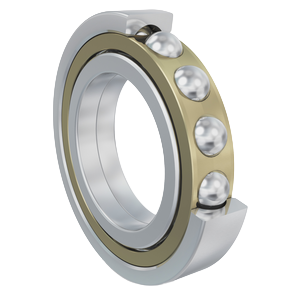
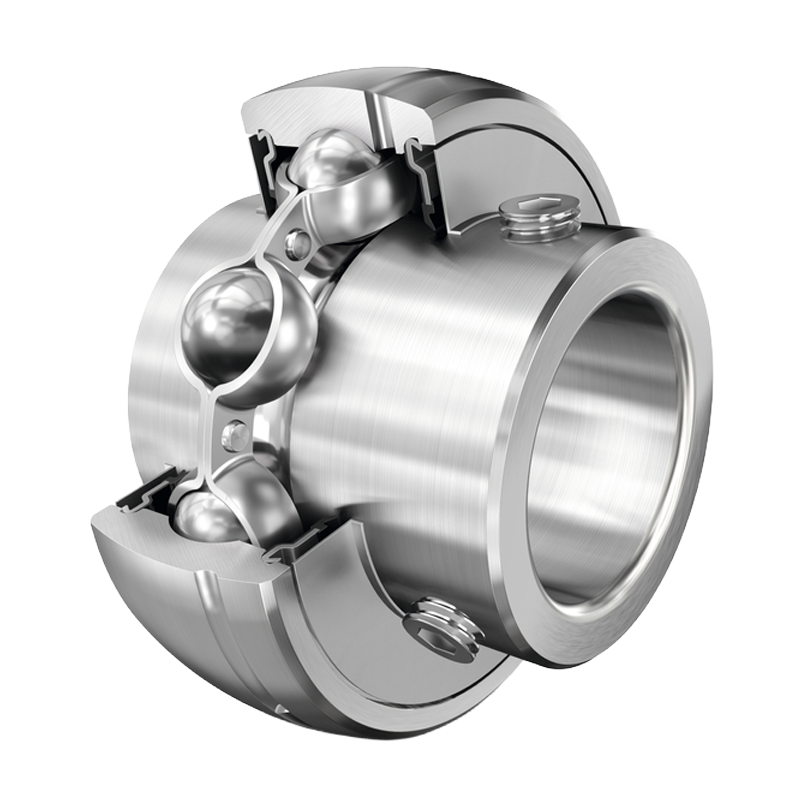
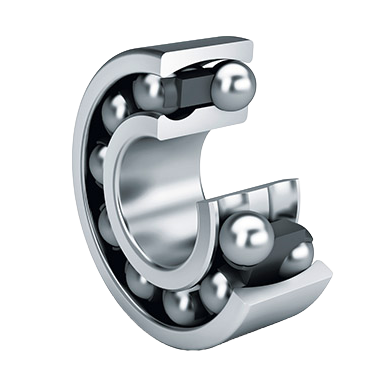
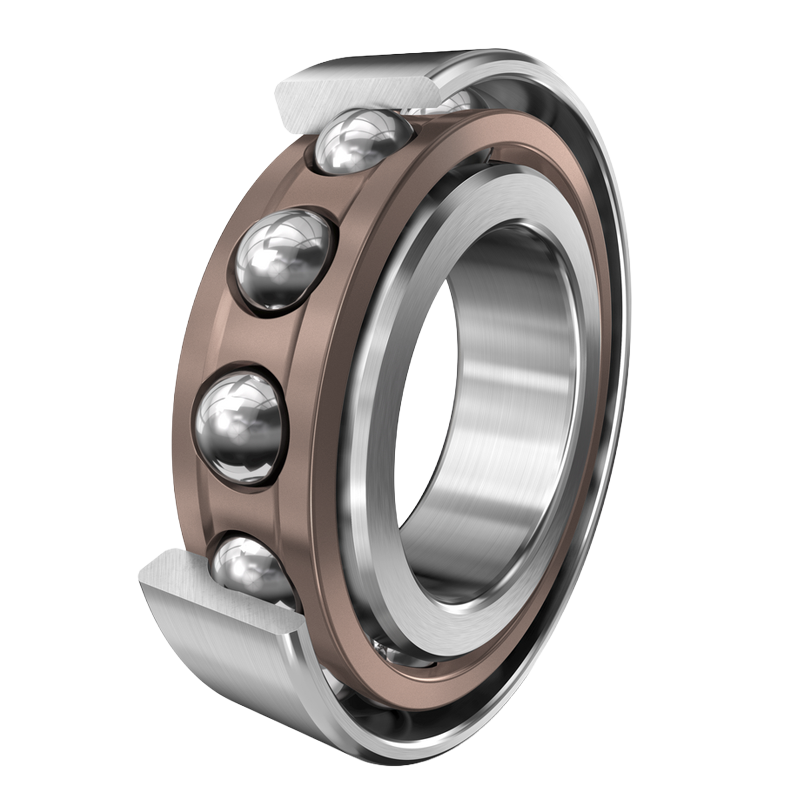
Ball bearings are manufactured in a range of designs, each suited to specific load, speed, and alignment requirements:
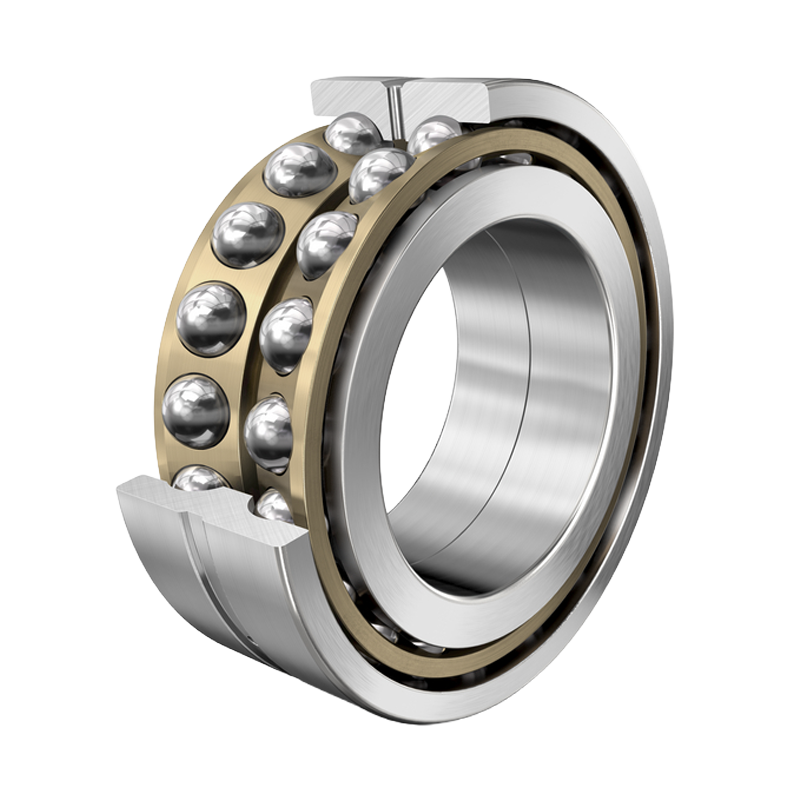
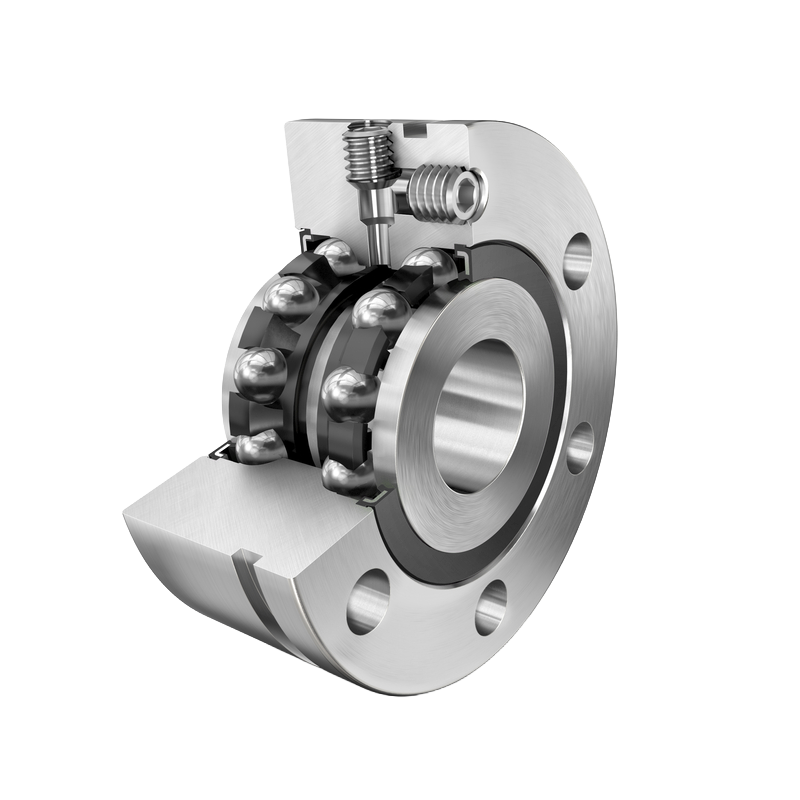
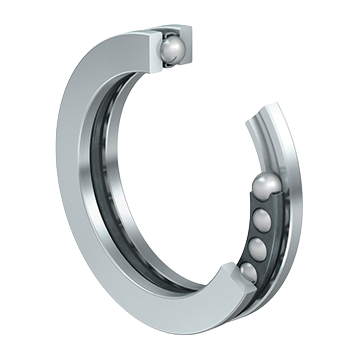
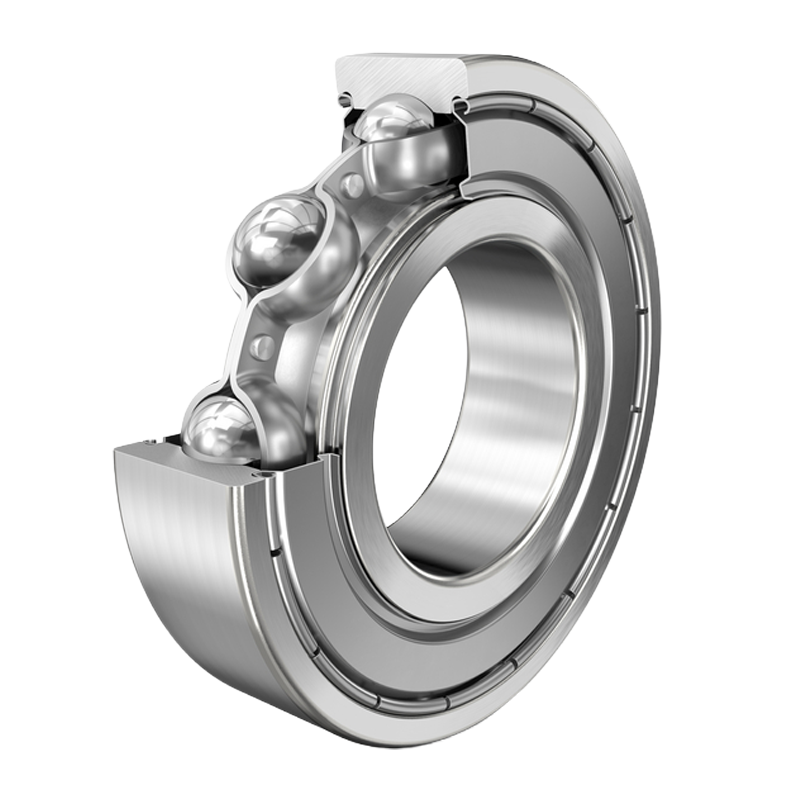

Industrial Uses for Ball Bearings
Ball bearings' combination of low friction, high speed capability, and compact design makes them suitable for a huge range of applications, including:
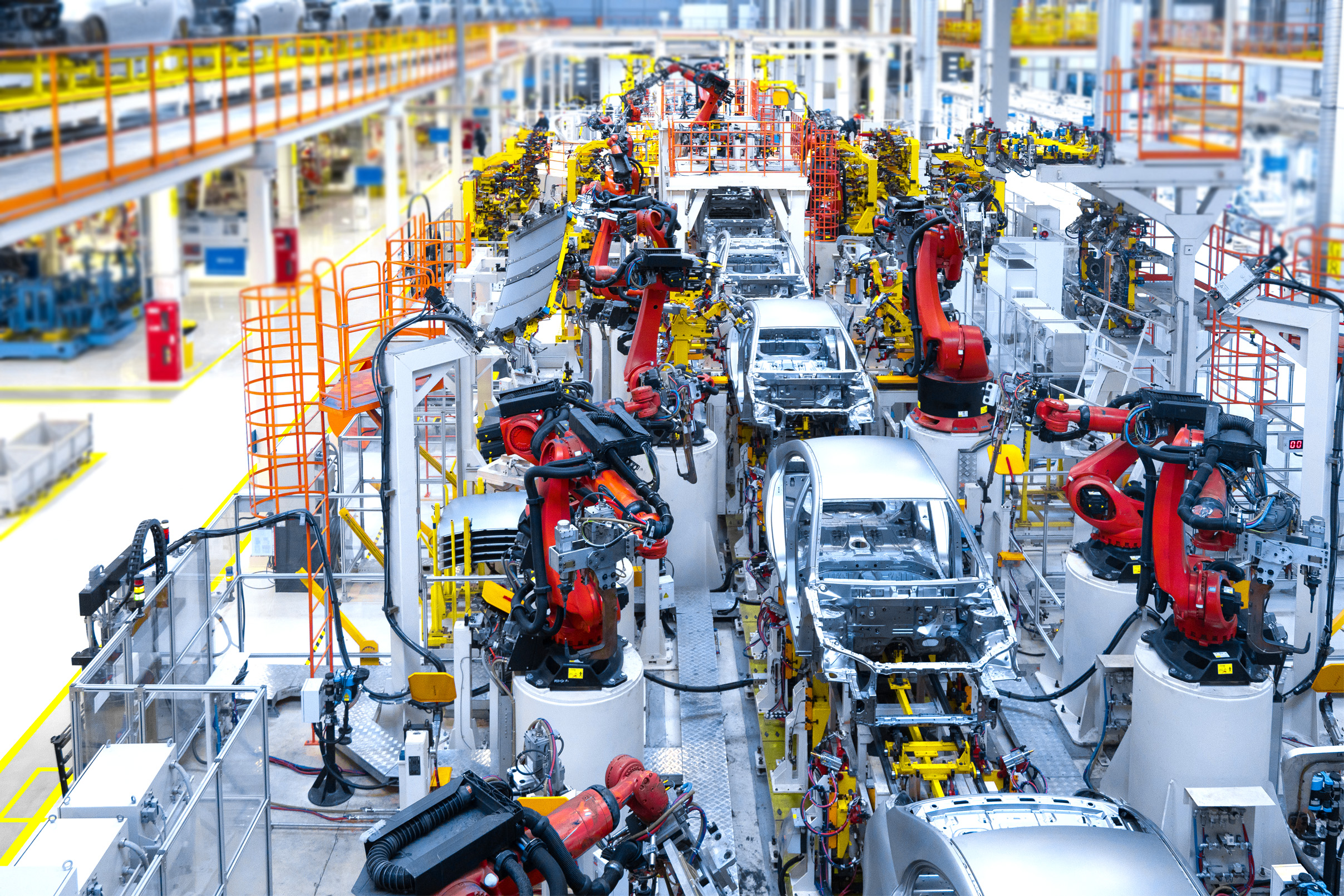
- Automotive – wheel bearings, alternators, transmissions, and electric motors
- Electric motors and generators – supporting rotating shafts with minimal energy loss
- Machine tools – spindles and precision rotating assemblies requiring tight tolerances
- Aerospace – actuators, control systems, and turbine components
- Household and consumer appliances – washing machines, fans, and power tools
- Robotics and automation – precision motion systems and actuators
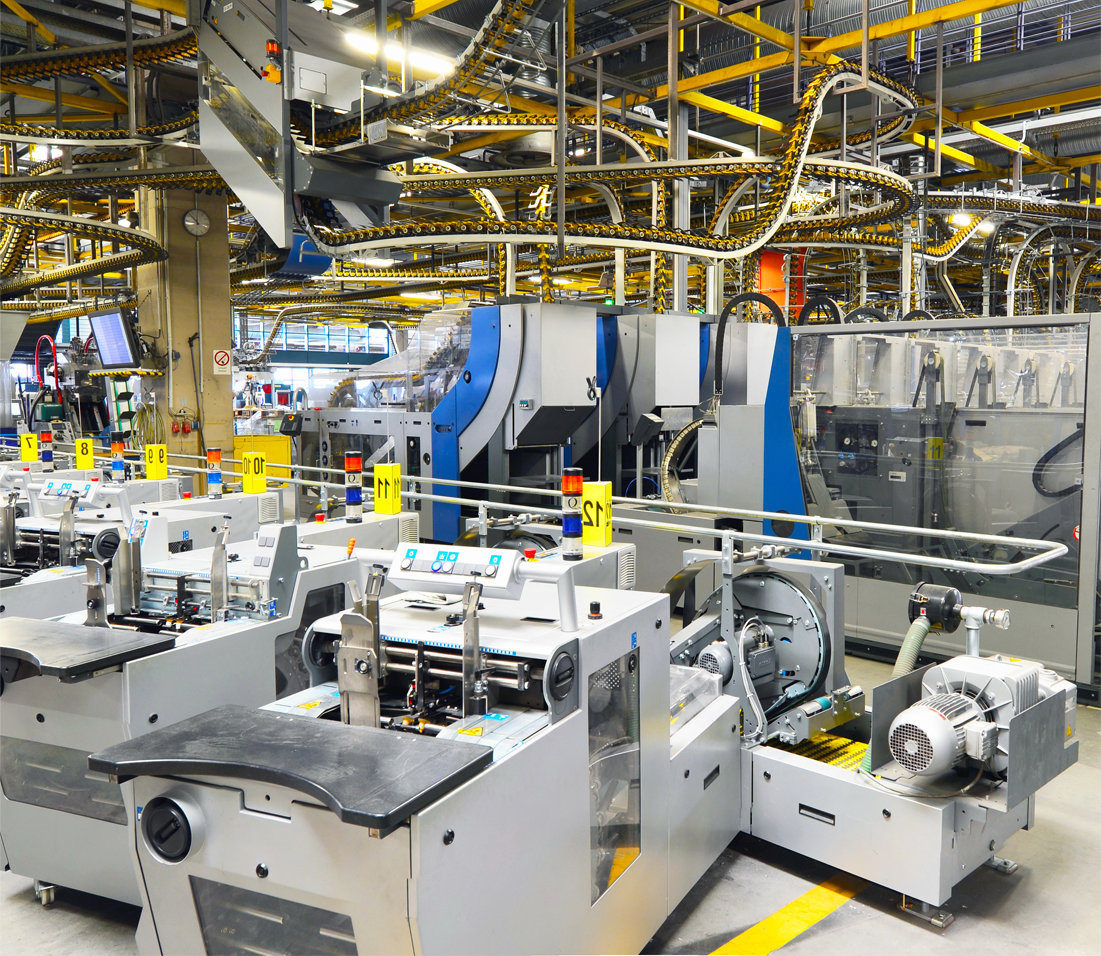
- Material handling – conveyor rollers, pulleys, and sorting equipment
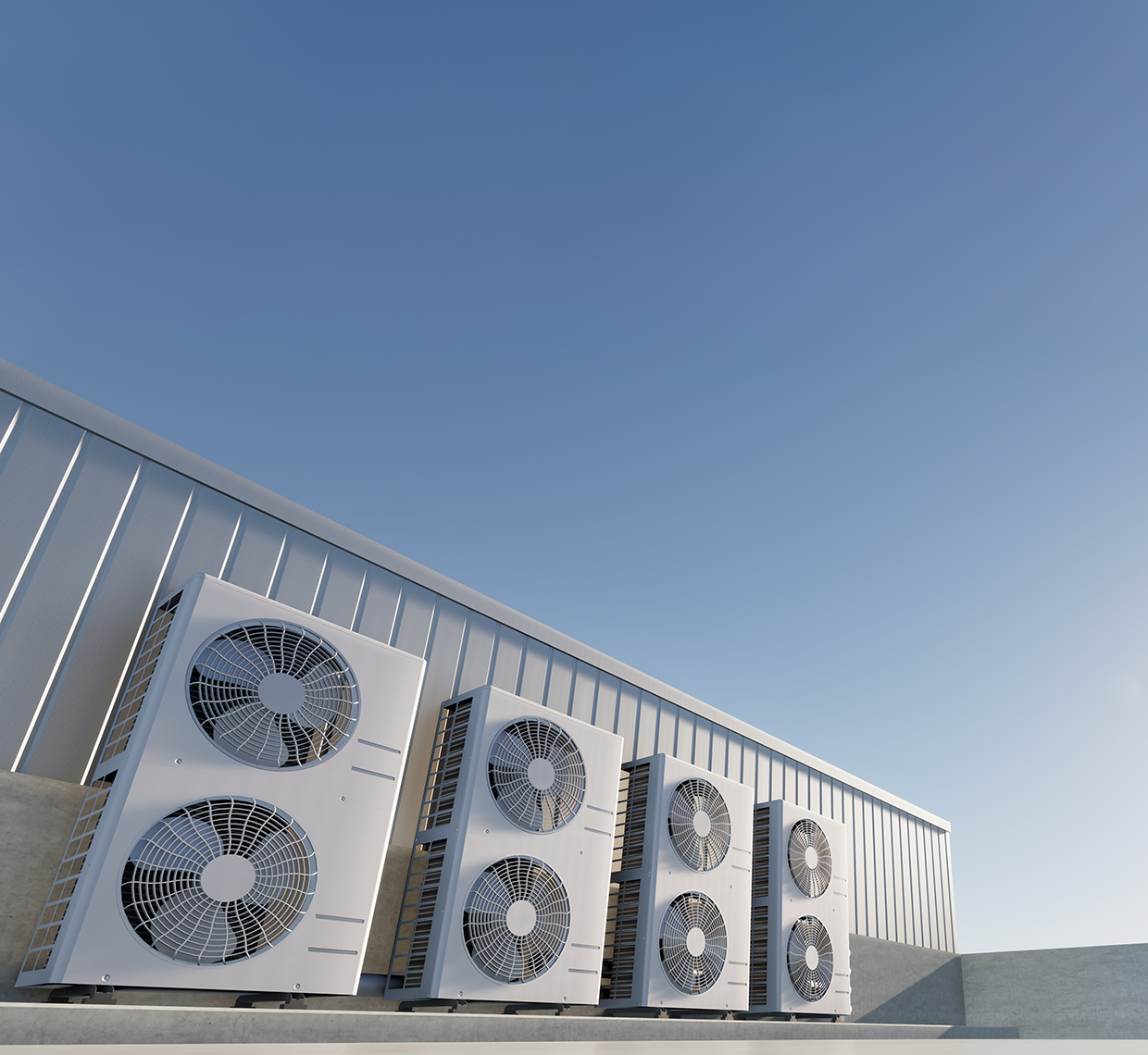
- HVAC systems – fan motors, blowers, and compressors
- Medical equipment – precision instruments and imaging equipment requiring smooth, quiet operation
Ball Bearings vs. Roller Bearings: Key Differences
Feature
Ball Bearings
Roller Bearings
Contact Type
Point contact between ball and race
Line contact between roller and race
Load Capacity
Better suited to light-to-moderate loads
Better suited to heavier radial loads
Speed Capability
Generally higher speed capability
Typically lower maximum speeds
Noise Level
Quieter operation
Can generate more noise under load
Load Direction
Handles radial, axial, or combined loads depending on design
Often specialised for radial or axial loads
Size & Weight
Generally more compact
Often larger for comparable load capacity
Benefits of Ball Bearings
Choosing the Right Ball Bearing
Selecting the correct ball bearing depends on factors such as load type and magnitude, rotational speed, operating environment, required precision, and available space. Our team can help you identify the right ball bearing for your specific application, simply contact us to discuss your requirements.
How Can Bearing Depot Help?
Seek Product Support
Looking for more information about our products or have any questions? Submit our contact form and one of our specialists will be in touch with you as soon as possible.
Alternatively, you can:
Call us at
01952 676925
Email us at
sales@bearingdepot.co.uk