
No products in the basket.
Anti-Friction Bearings
Anti-Friction Bearings: Types, Industrial Applications & Benefits
Anti-friction bearings are precision components engineered to reduce friction between moving parts, allowing shafts, wheels, and other rotating or sliding elements to move smoothly and efficiently. Widely used across manufacturing, automotive, aerospace, and heavy industry, anti-friction bearings are essential to the performance, longevity, and reliability of rotating machinery. This page explains what anti-friction bearings are, the products included in this category, where they're used, and how they differ from friction bearings.
What Are Anti-Friction Bearings?
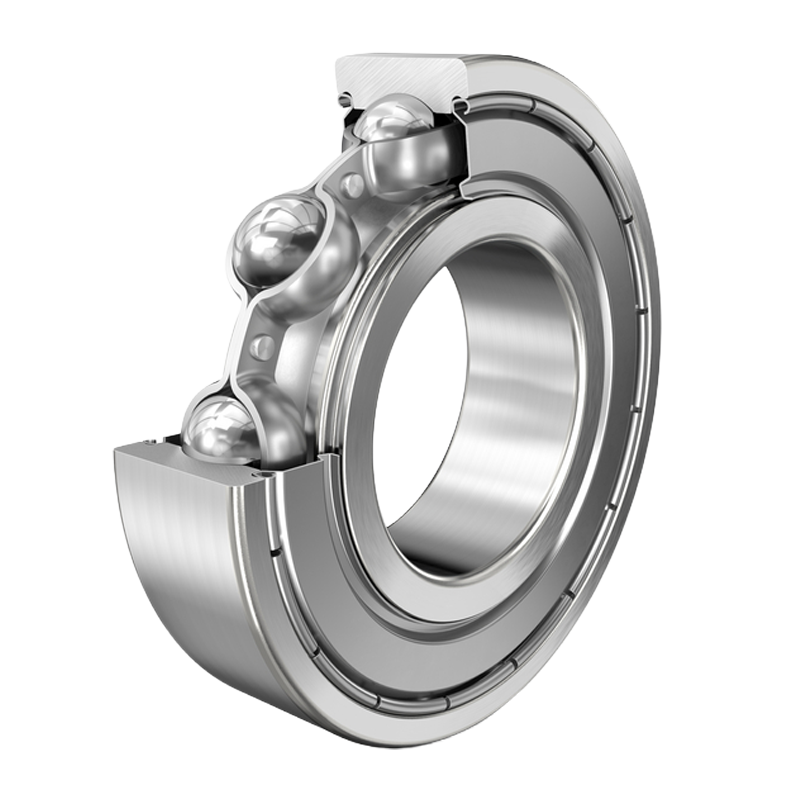
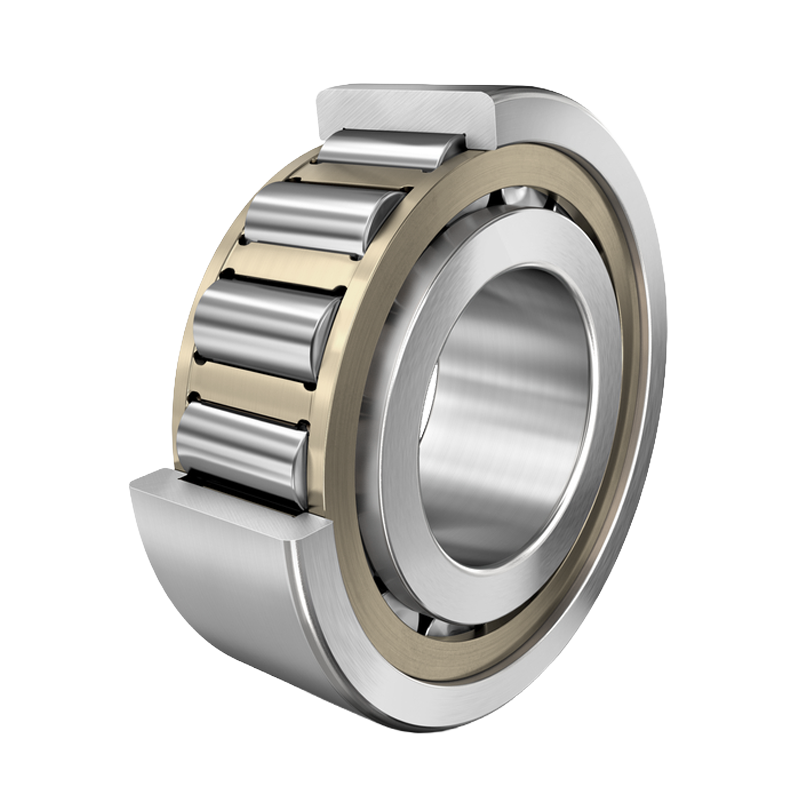
Anti-friction bearings work by inserting rolling elements, such as balls or rollers, between two surfaces in relative motion. Rather than the surfaces sliding directly against one another, the load is carried by these rolling elements, which dramatically reduces the friction (and therefore the heat and wear) generated during operation. This is in contrast to friction bearings, also known as plain or sliding bearings, which rely on sliding contact and a lubricating film to reduce resistance.
Products Included in the Anti-Friction Bearing Category
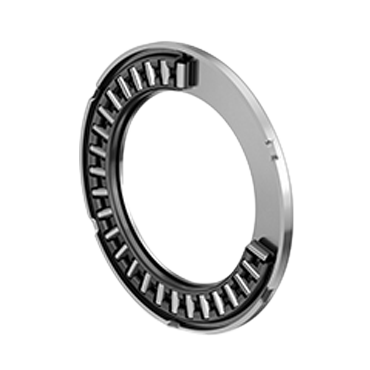
Anti-friction bearings cover a broad range of products, generally divided into ball bearings and roller bearings:
Industrial Uses for Anti-Friction Bearings
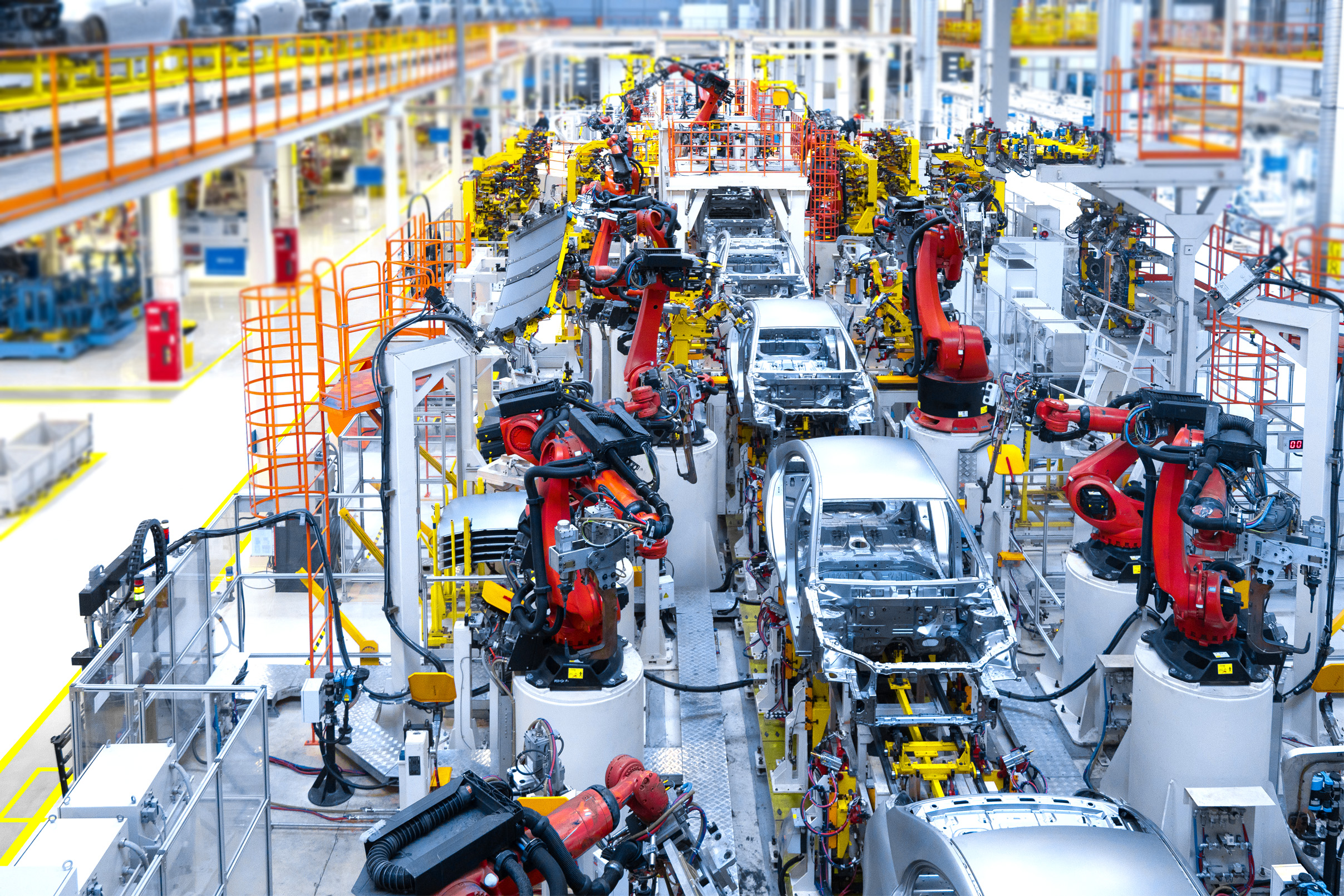
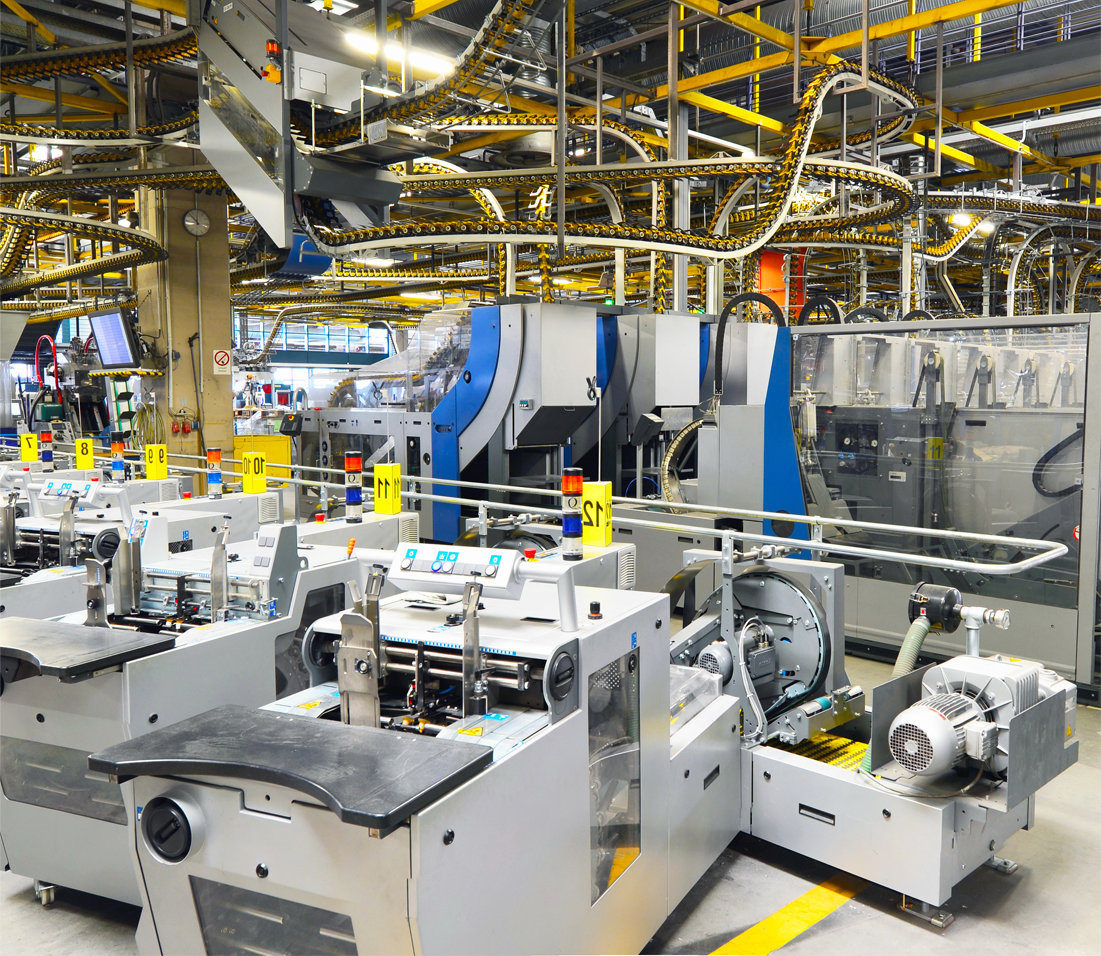
Because of their efficiency and load-handling capability, anti-friction bearings are used across almost every major industrial sector, including:
- Automotive manufacturing – wheel hubs, transmissions, engines, and steering systems
- Heavy machinery and construction equipment – excavators, cranes, and loaders
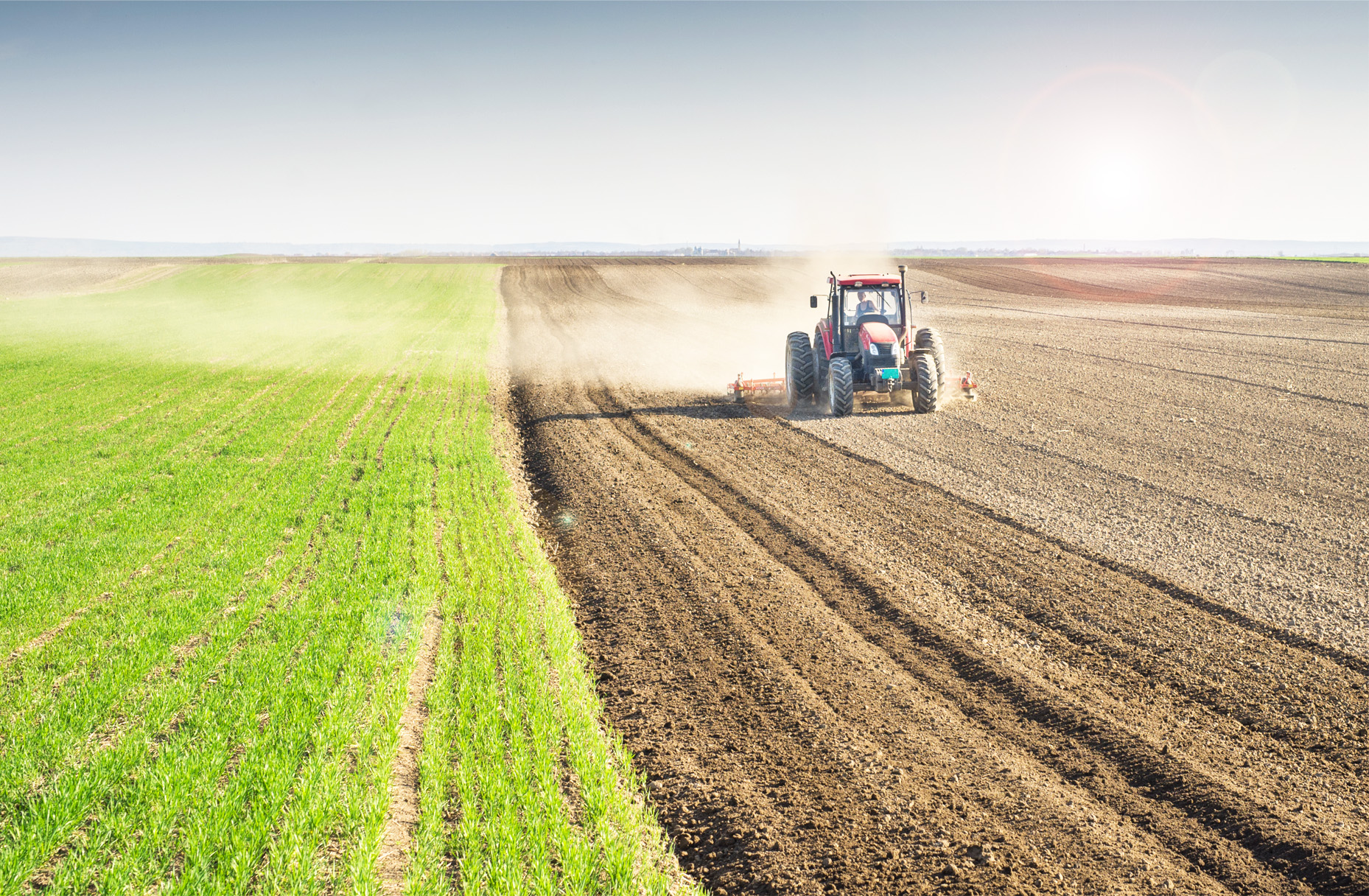
- Agricultural equipment – tractors, combines, and irrigation systems
- Aerospace – landing gear, turbines, and control surfaces
- Power generation – wind turbines, generators, and turbines
- Material handling – conveyor systems, forklifts, and pulleys
- Pumps, motors, and compressors – across process and manufacturing plants
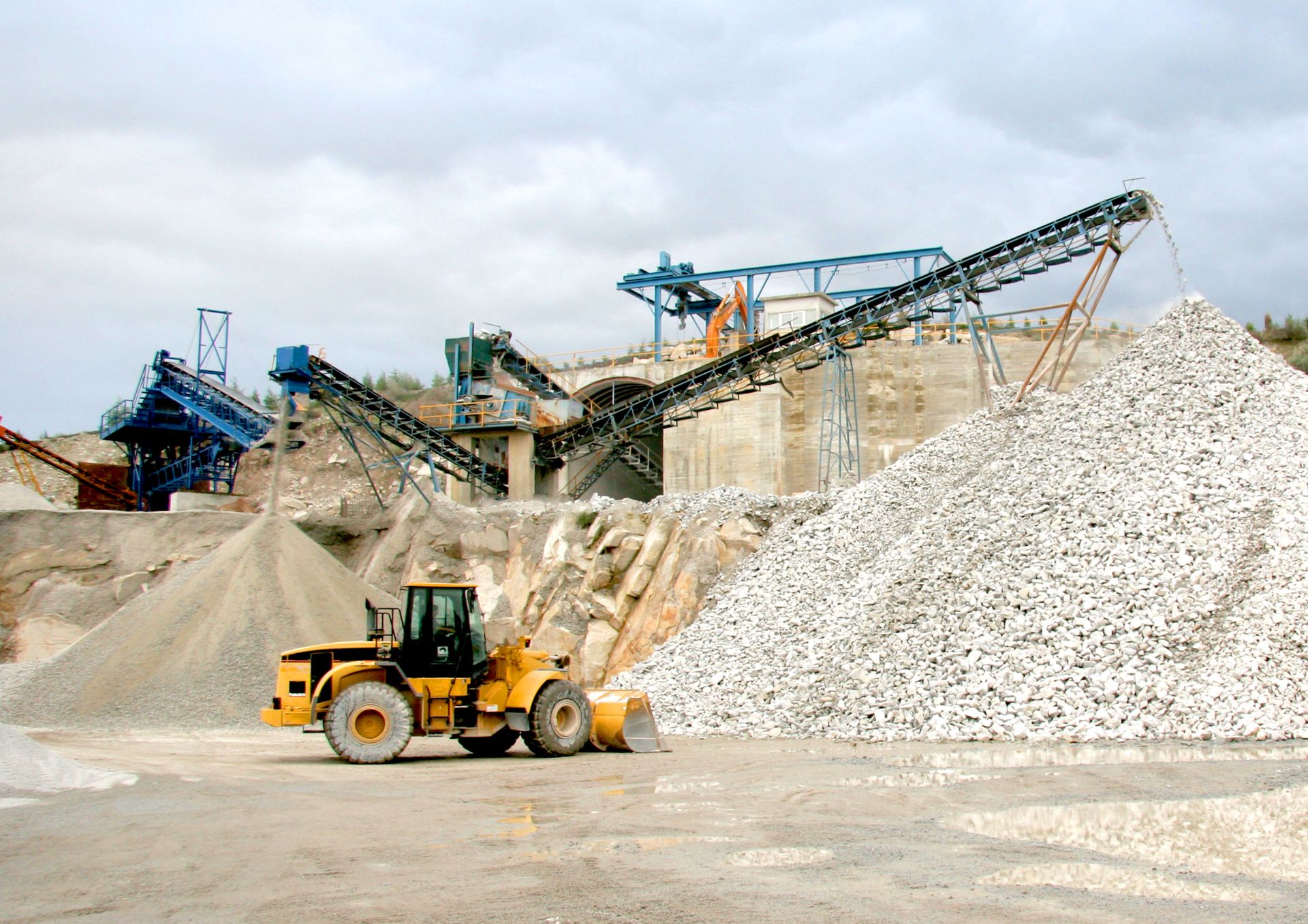
- Mining and quarrying equipment – subjected to heavy loads and harsh conditions
- HVAC systems – fans, blowers, and compressors
Friction Bearings vs. Anti-Friction Bearings: Key Differences
Feature
Friction (Plain) Bearings
Anti-Friction (Rolling) Bearings
Contact Type
Sliding contact between surfaces
Rolling contact via balls or rollers
Friction Level
Higher, especially at startup
Higher, especially at startup
Lubrication Needs
Continuous lubrication typically required
Often require less frequent lubrication
Load Capacity
Good for heavy, low-speed loads
Excellent across a wide range of loads and speeds
Speed Capability
Generally lower speed limits
Suited to higher operating speeds
Precision
Simpler design, lower manufacturing cost
Precision-engineered, higher initial cost
Maintenance
Can wear faster under high friction
Longer service life with proper maintenance
Benefits of Anti-Friction Bearings
Choosing the Right Anti-Friction Bearing
Selecting the correct bearing depends on factors such as load type (radial, axial, or combined), speed requirements, operating environment, alignment tolerance, and expected service life. Our team can help you identify the right anti-friction bearing for your specific application, simply contact us to discuss your requirements.
How Can Bearing Depot Help?
Seek Product Support
Looking for more information about our products or have any questions? Submit our contact form and one of our specialists will be in touch with you as soon as possible.
Alternatively, you can:
Call us at
01952 676925
Email us at
sales@bearingdepot.co.uk