
No products in the basket.
Rod End Bearings
Rod End Bearings: Types, Industrial Applications & Benefits
Rod end bearings, also known as heim joints or rose joints, are precision components designed to connect and transmit motion between two mechanical parts while accommodating angular movement and misalignment. Widely used in linkages, actuators, and control systems, rod end bearings play a critical role in applications where smooth articulation and reliable load transfer are essential. This page explains what rod end bearings are, the products included in this category, where they're used, and how to choose the right type for your application.
What Are Rod End Bearings?
A rod end bearing consists of a spherical plain bearing housed within an eyelet, which is attached to a shank featuring either an internal or external thread. This design allows the bearing to pivot and rotate within the housing, accommodating angular misalignment between connected components while still transmitting linear or rotational force along the rod. Because the ball and socket construction allows movement in multiple directions, rod end bearings are commonly used wherever a connecting rod or linkage needs to articulate as it moves.
Products Included in the Rod End Bearing Category
Rod end bearings are available in a range of configurations to suit different load, movement, and mounting requirements:
Male Rod End Bearings
Feature an external thread on the shank, designed to screw into a tapped hole or connect via a nut.
Female Rod End Bearings
Feature an internal thread on the shank, designed to accept a bolt or threaded stud.
Right-Hand & Left-Hand Threaded Rod Ends
Allow for length adjustment when used in pairs, commonly used in turnbuckle-style linkages.
Standard (Economy) Rod Ends
General-purpose rod ends suited to lighter loads and less demanding applications.
Heavy-Duty Rod Ends
Reinforced construction for higher load capacities and more demanding industrial or motorsport applications.
Self-Lubricating (Maintenance Free) Rod Ends
Feature a PTFE or composite liner that eliminates the need for regular grease lubrication.
Rod Ends With Grease Fittings
Designed for applications where regular relubrication helps maintain performance and extend service life.
Stainless Steel Rod Ends
Corrosion-resistant options for marine, outdoor, or washdown environments.
Spherical plain bearings (uniball inserts)
The core ball-and-socket component used inside rod end housings, also available separately for custom applications.


Industrial Uses for Rod End Bearings
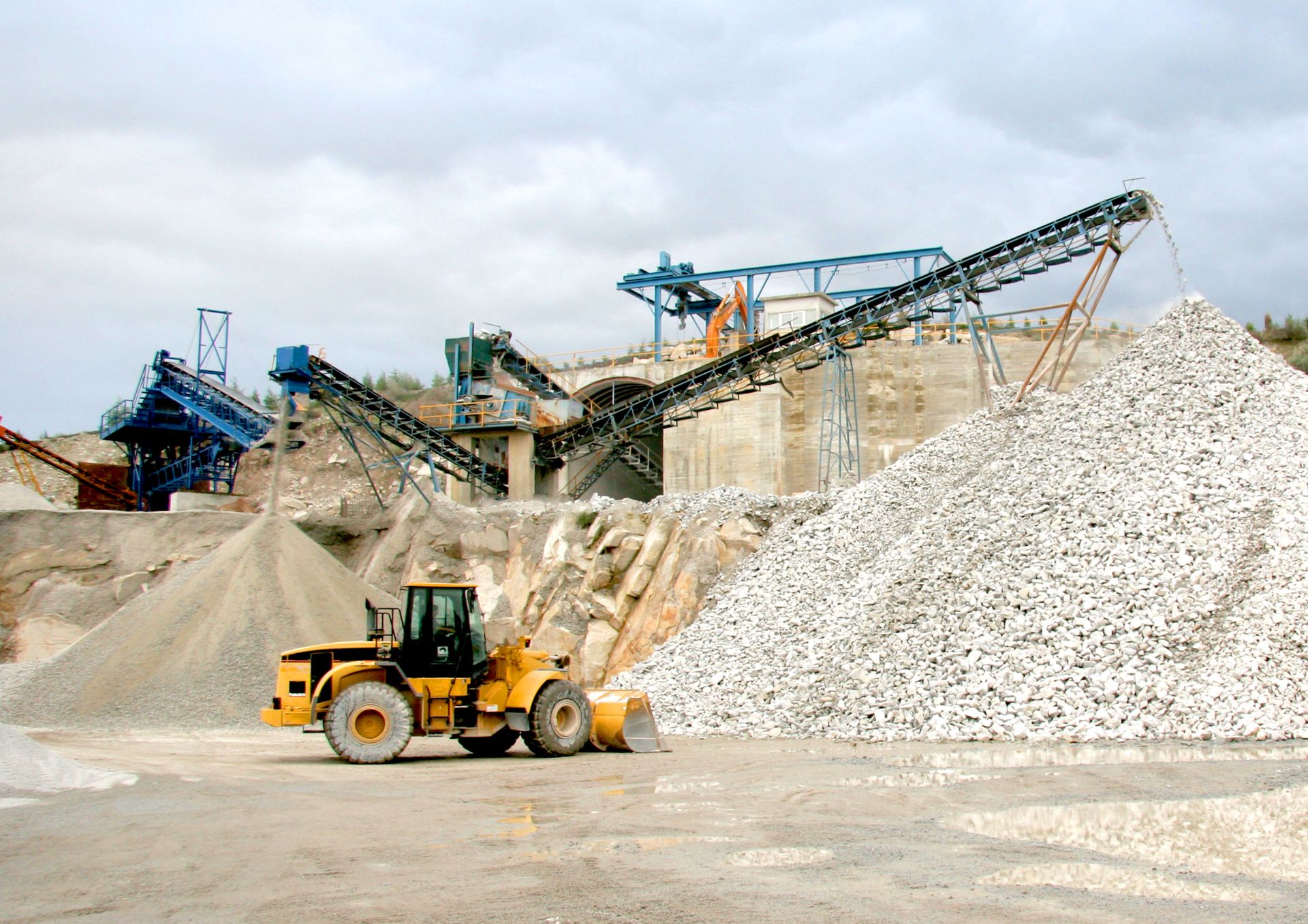
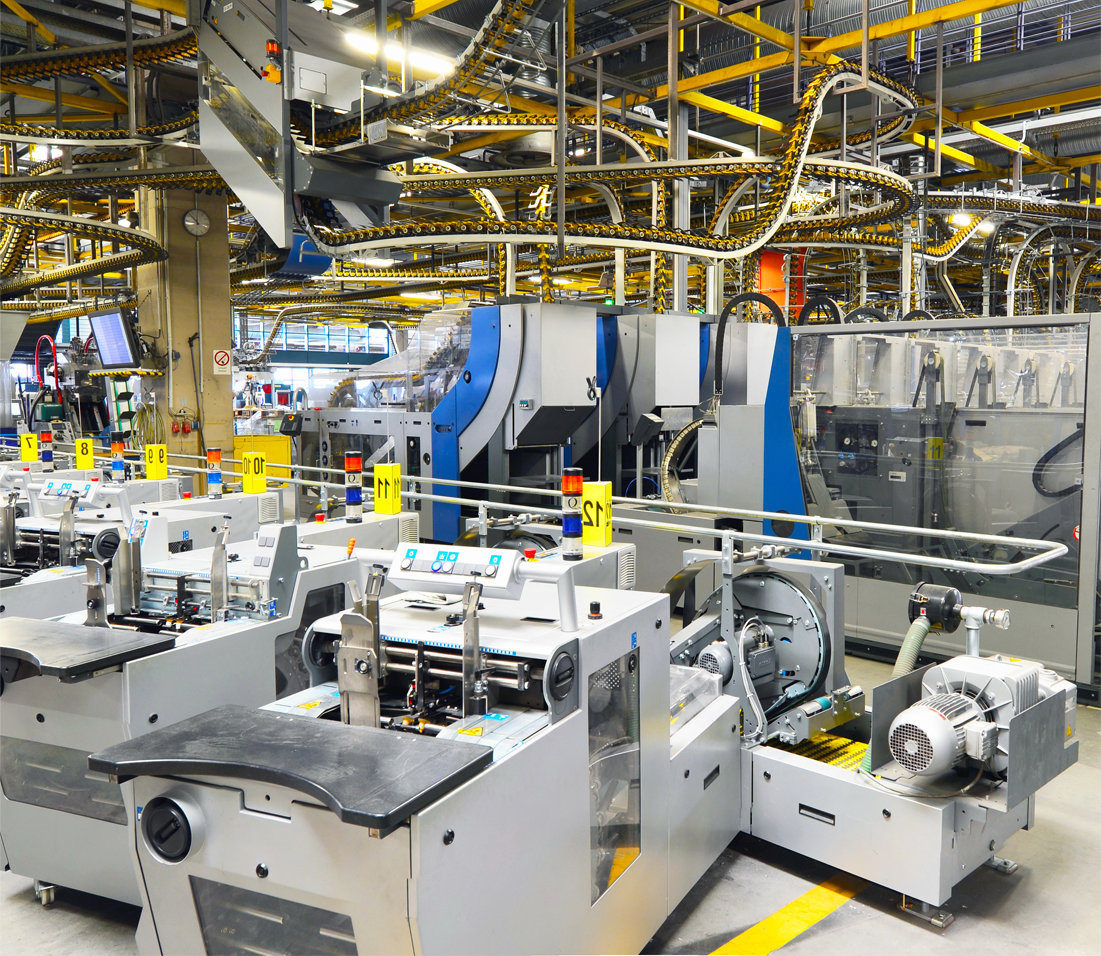
Rod end bearings are used wherever mechanical linkages need to articulate smoothly under load, including:
- Automotive and motorsport – suspension linkages, steering components, and adjustable control arms
- Aerospace – flight control linkages and actuator connections requiring high reliability
- Agricultural machinery – hydraulic cylinder connections and steering linkages
- Hydraulic and pneumatic systems – connecting cylinder rods to moving components
- Material handling equipment – linkages in lifting and positioning mechanisms
- Industrial automation – actuator and robotic arm connections requiring precise articulation
- Construction equipment – linkages on excavators, loaders, and other heavy machinery
- Marine applications – steering and control linkages, often using stainless steel rod ends for corrosion resistance
Male vs. Female Rod End Bearings: Key Differences
Feature
Male Rod End Bearings
Female Rod End Bearings
Thread Type
External thread on the shank
Internal thread on the shank
Connection Method
Screws into a tapped hole or is secured with a nut
Accepts a bolt or threaded stud
Common Uses
Applications requiring a protruding, adjustable connection point
Applications where a recessed or flush connection is preferred
Adjustability
Length can often be adjusted by threading in or out
Length adjustment depends on the mating bolt or stud
Typical Pairing
Frequently paired with female rod ends in turnbuckle assemblies
Frequently paired with male rod ends in turnbuckle assemblies
Benefits of Rod End Bearings
Choosing the Right Rod End Bearing
Selecting the correct rod end bearing depends on factors such as load type and magnitude, required range of angular movement, thread type and size, environmental conditions, and maintenance preferences (standard greased versus self-lubricating). Our team can help you identify the right rod end bearing for your specific application, contact us to discuss your requirements.
How Can Bearing Depot Help?
Seek Product Support
Looking for more information about our products or have any questions? Submit our contact form and one of our specialists will be in touch with you as soon as possible.
Alternatively, you can:
Call us at
01952 676925
Email us at
sales@bearingdepot.co.uk