
No products in the basket.
Roller Chains & Sprockets
Chains and Sprockets: Types, Industrial Applications & Benefits
Chains and sprockets form the backbone of countless power transmission systems, providing a reliable, efficient way to transfer rotational drive between shafts. Used across manufacturing, material handling, agriculture, and heavy industry, roller chain and sprocket assemblies offer a robust alternative to belt drives where higher loads, precise speed ratios, and long service life are required. This page explains the product groups within our chains and sprockets range, the differences between ASA and BS chain standards, and how simplex, duplex, and triplex configurations compare.
What Are Chains and Sprockets?
A roller chain and sprocket drive works by meshing a series of interconnected chain links with the teeth of a sprocket wheel, transmitting rotational motion from a driving shaft to one or more driven shafts. As the sprocket rotates, its teeth engage the chain's rollers, pulling the chain along and, in turn, driving any additional sprockets connected further along the chain. This positive engagement means roller chain drives don't slip in the way belt drives can, making them well suited to applications requiring precise timing or the transmission of high torque.
Products Included in the Chains and Sprockets Category
Our chains and sprockets range covers the following product groups:
ASA Roller Chain

Roller chain manufactured to American (ANSI/ASA) standards, identified by ASA chain numbers (such as 40, 50, 60, and 80). Widely used in machinery manufactured to US specifications and in applications where ASA-standard components are already in place.
BS Roller Chain

Roller chain manufactured to British/European (BS/ISO) standards, identified by BS chain numbers (such as 08B, 10B, and 12B). The most common standard used across UK and European industrial machinery.
BS Sprockets
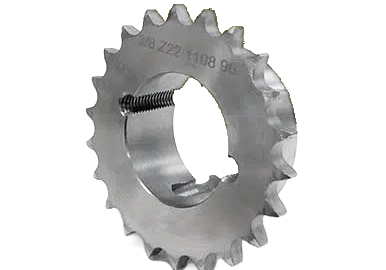
Sprockets manufactured to British standard dimensions, designed to mesh correctly with BS roller chain and available in a wide range of tooth counts to achieve different speed ratios.
Idler Sprockets

Sprockets used to guide, tension, or change the direction of a chain run without driving or being driven themselves, helping maintain correct chain tension and alignment across longer chain runs.
Platewheels
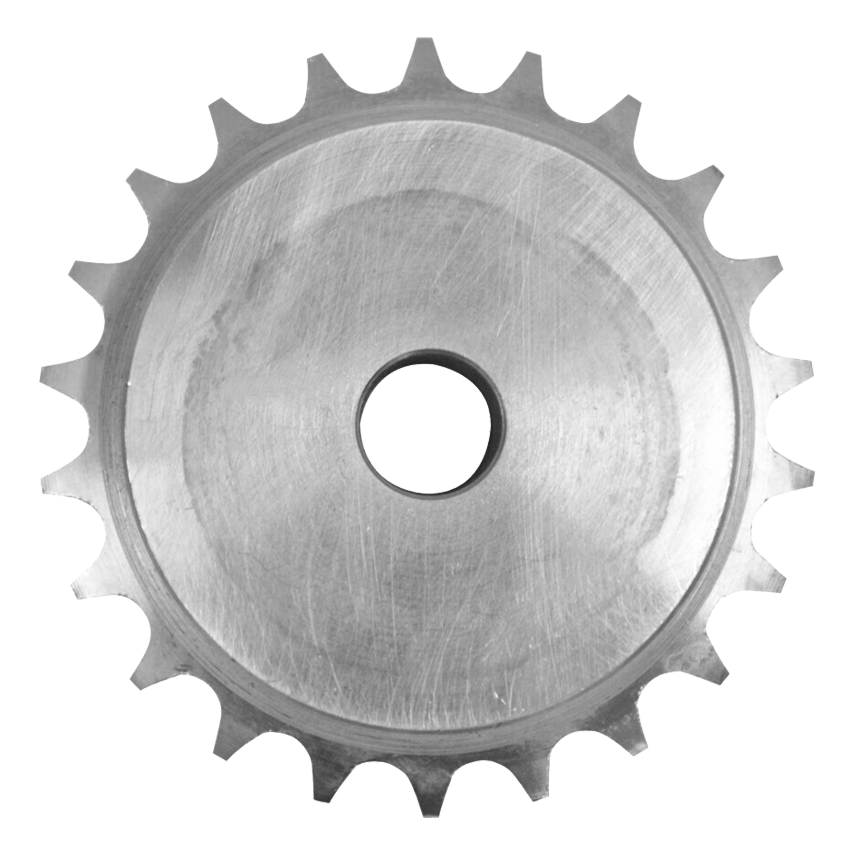
Flat, solid sprocket wheels typically used in slower-speed or lighter-duty applications, or where a simple, cost-effective wheel design is sufficient.
Connector Links

Also known as connecting or master links, these allow a length of roller chain to be joined into an endless loop without pressing pins, making chain installation, shortening, and replacement straightforward.
Industrial Uses for Chains and Sprockets
Chain and sprocket drives are used wherever reliable, high-torque power transmission is required, including:
- Conveyor systems – driving belts and rollers across material handling and logistics operations
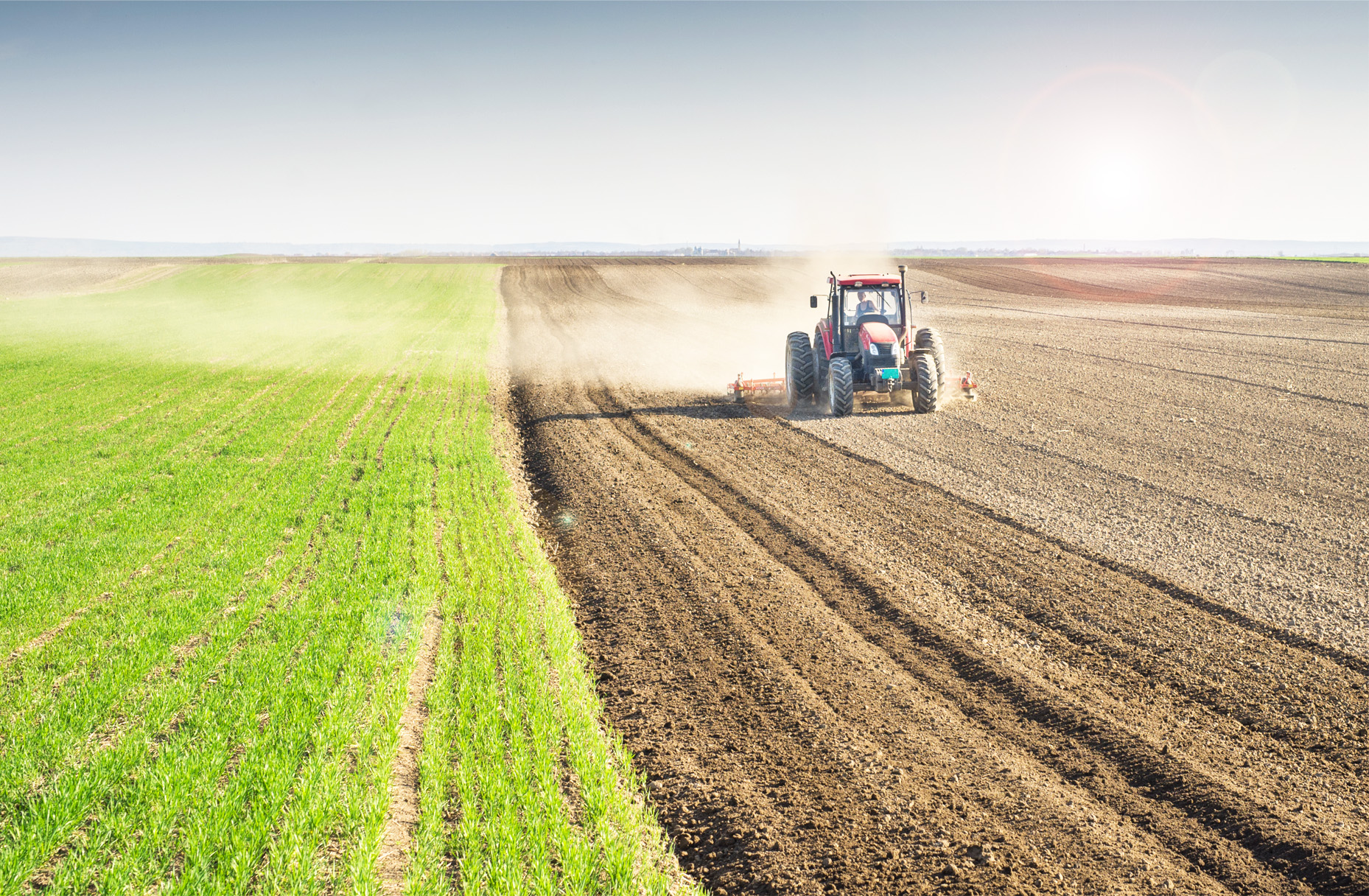
- Agricultural machinery – drivetrains on harvesters, balers, and other farm equipment
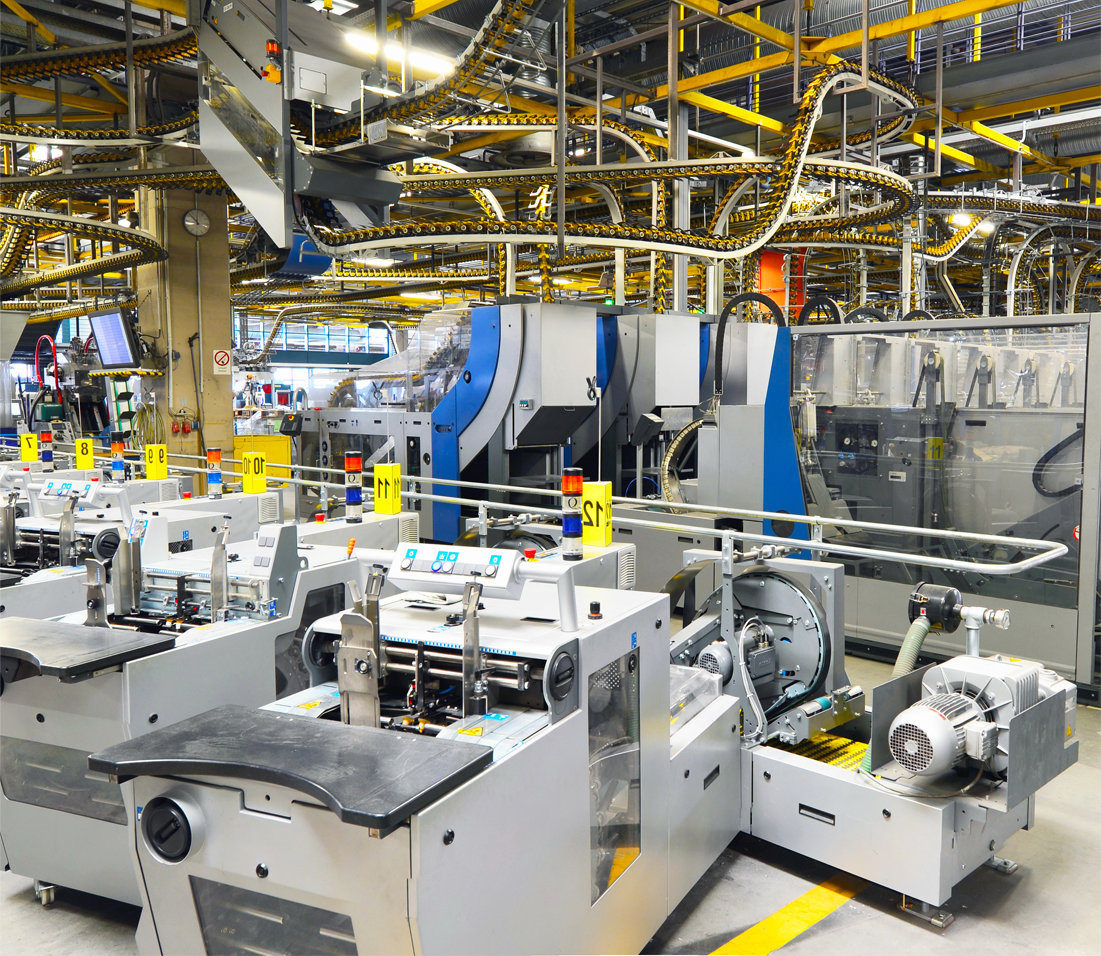
- Manufacturing and processing plants – driving production line machinery and processing equipment
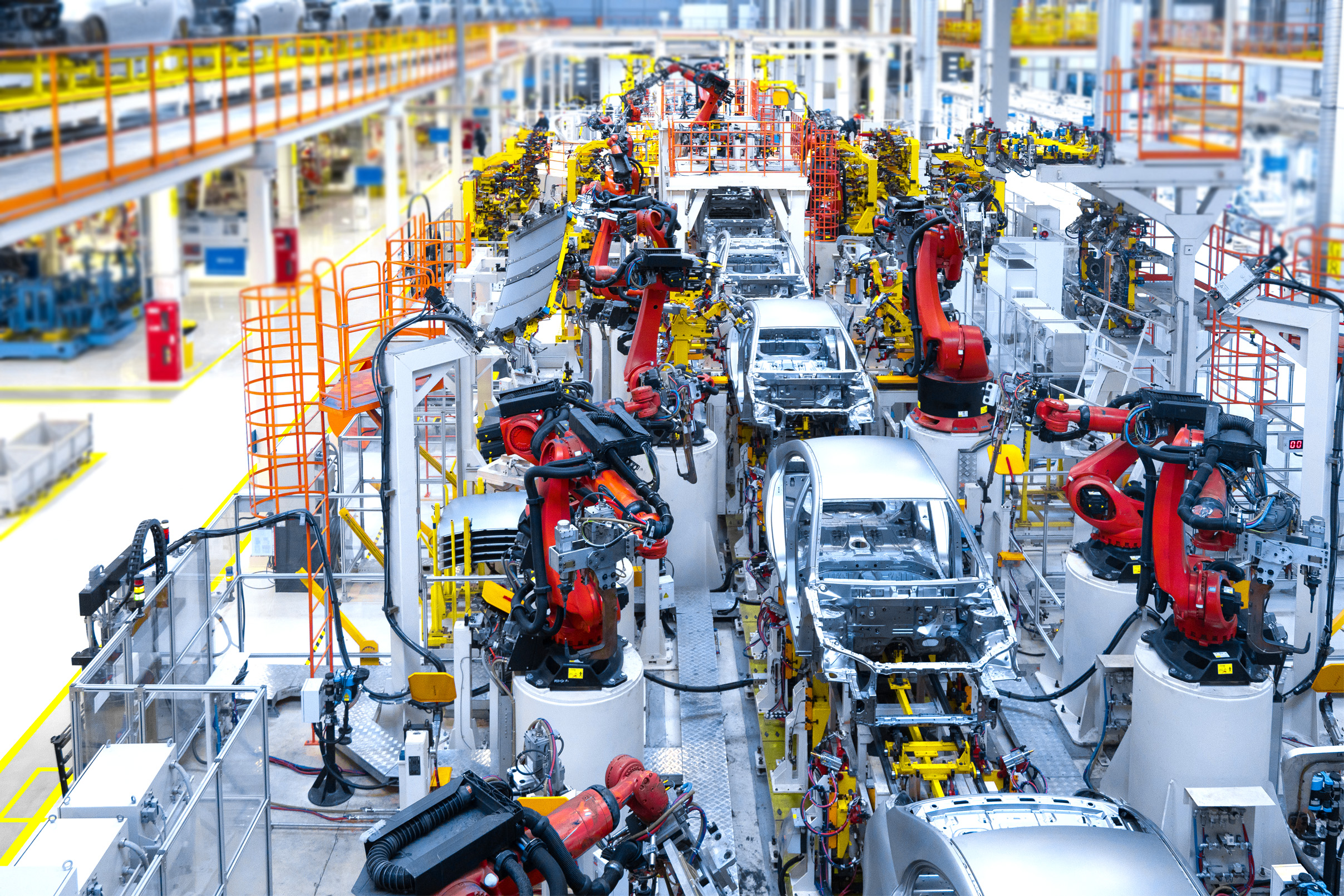
- Automotive manufacturing – assembly line drives and timing applications
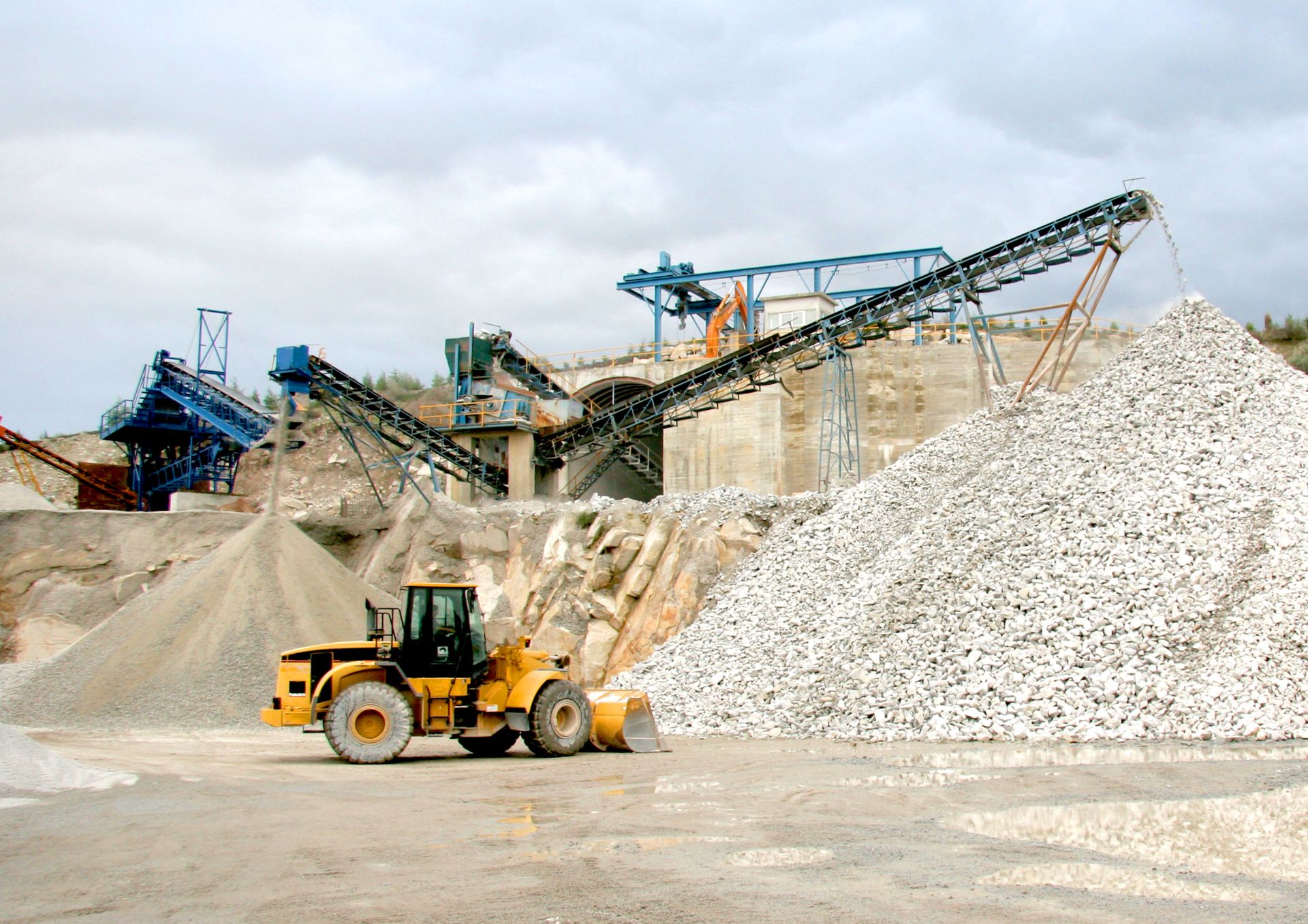
- Mining and quarrying – conveyors, crushers, and screening equipment operating under heavy load
- Packaging equipment – synchronised drive systems requiring precise timing
- Printing machinery – drive systems requiring consistent, slip-free motion
- Power generation – auxiliary drives on generators and turbines
- Warehousing and distribution – powered roller conveyors and sortation systems
Simplex, Duplex, and Triplex Chain and Sprockets
Roller chain and sprockets are also classified by the number of parallel rows of rollers they use, known as simplex, duplex, and triplex configurations:
Simplex Chain & Sprockets

A single row of rollers and a single row of sprocket teeth. Simplex is the most common configuration, suited to general-purpose power transmission where load requirements don't exceed the capacity of a single chain strand.
Duplex Chain & Sprockets

Two parallel rows of rollers running side by side, engaging with a sprocket that has two rows of teeth. Duplex configurations roughly double the load capacity of simplex chain in a similar footprint, making them suitable for higher-torque applications without significantly increasing chain pitch or sprocket size.
Triplex Chain & Sprockets

Three parallel rows of rollers and sprocket teeth, providing further increased load capacity. Triplex chain is typically used in heavy-duty applications where duplex chain still falls short of the required load rating.
Choosing Between Simplex, Duplex, and Triplex Chain
Factor
Simplex
Duplex
Triplex
Load Capacity
Lowest
Medium (approx. double simplex)
Highest
Typical Applications
General-purpose drives, light-to-moderate loads
Higher-torque industrial drives
Heavy-duty, high-load industrial applications
Width & Footprint
Narrowest
Wider than simplex
Widest of the three
Cost
Lowest
Higher than simplex
Highest
Common Use Case
Standard machinery drives
Applications needing more capacity without a larger pitch
Heavy machinery, mining, and high-torque drivetrains
Increasing from simplex to duplex or triplex chain allows more load to be carried without moving to a larger, heavier pitch of chain, which can be useful where space or sprocket size is constrained but greater load capacity is still required.
Benefits of Chain and Sprocket Drives
Choosing the Right Chain and Sprocket Setup
Selecting the correct chain and sprocket configuration depends on factors such as the load and torque to be transmitted, required speed ratio, available space, shaft size, and whether existing machinery uses ASA or BS standard components. Our team can help you specify the right chain, sprockets, and mounting components for your application, contact us to discuss your requirements.
How Can Bearing Depot Help?
Seek Product Support
Looking for more information about our products or have any questions? Submit our contact form and one of our specialists will be in touch with you as soon as possible.
Alternatively, you can:
Call us at
01952 676925
Email us at
sales@bearingdepot.co.uk