
No products in the basket.
Self-Aligning Bearings Telford
Self-Aligning Ball Bearings: Types, Industrial Applications & Benefits
Self-aligning ball bearings are designed to accommodate shaft misalignment and deflection, making them a reliable choice wherever perfect shaft-to-housing alignment can't be guaranteed. Widely used across manufacturing, agriculture, and heavy industry, self-aligning ball bearings help reduce premature wear, noise, and failure caused by misalignment. As a supplier serving businesses across Telford and the wider Shropshire area, we stock a comprehensive range of self-aligning ball bearings suited to a variety of industrial applications. This page explains what self-aligning ball bearings are, the products included in this category, where they're used, and the benefits they offer over standard rigid bearings.
What Are Self-Aligning Ball Bearings?
A self-aligning ball bearing is designed with two rows of balls and a common spherical raceway in the outer ring, allowing the inner ring, balls, and cage to pivot within the outer ring. This construction lets the bearing automatically adjust to accommodate angular misalignment between the shaft and housing, whether caused by installation error, shaft deflection under load, or general manufacturing tolerances, without transferring damaging stress to the bearing or surrounding components. Self-aligning ball bearings also generate less friction than most other rolling bearing types, allowing them to run cooler and at higher speeds. This is in contrast to rigid bearing types, which are designed to operate with minimal misalignment and can wear prematurely or fail if installed slightly out of true.
Products Included in the Self-Aligning Ball Bearing Category
Our self-aligning ball bearing range is stocked as a single, comprehensive category covering a wide range of sizes, specifications, and brands, including:
Standard bore self-aligning ball bearings
Fitted directly onto a straight shaft, suited to the majority of general-purpose applications.
Tapered bore (K) self-aligning ball bearings
Designed to be mounted onto a tapered shaft or with an adapter sleeve, identified by a "K" in the product code, allowing a secure, easily adjustable fit and simple removal.
C3 clearance self-aligning ball bearings
Manufactured with additional internal clearance to allow for thermal expansion, identified by "C3" in the product code, and suited to high-temperature or high-speed applications.
Metric & imperial (inch) self-aligning ball bearings
Available in both dimensional standards to suit UK, European, and US-specification machinery.
Many of these specifications are combined within a single product, for example, a tapered bore bearing with C3 clearance from a specific brand, so our range is best searched by the size and specification your application requires rather than by a fixed list of sub-types.

Industrial Uses for Self-Aligning Ball Bearings
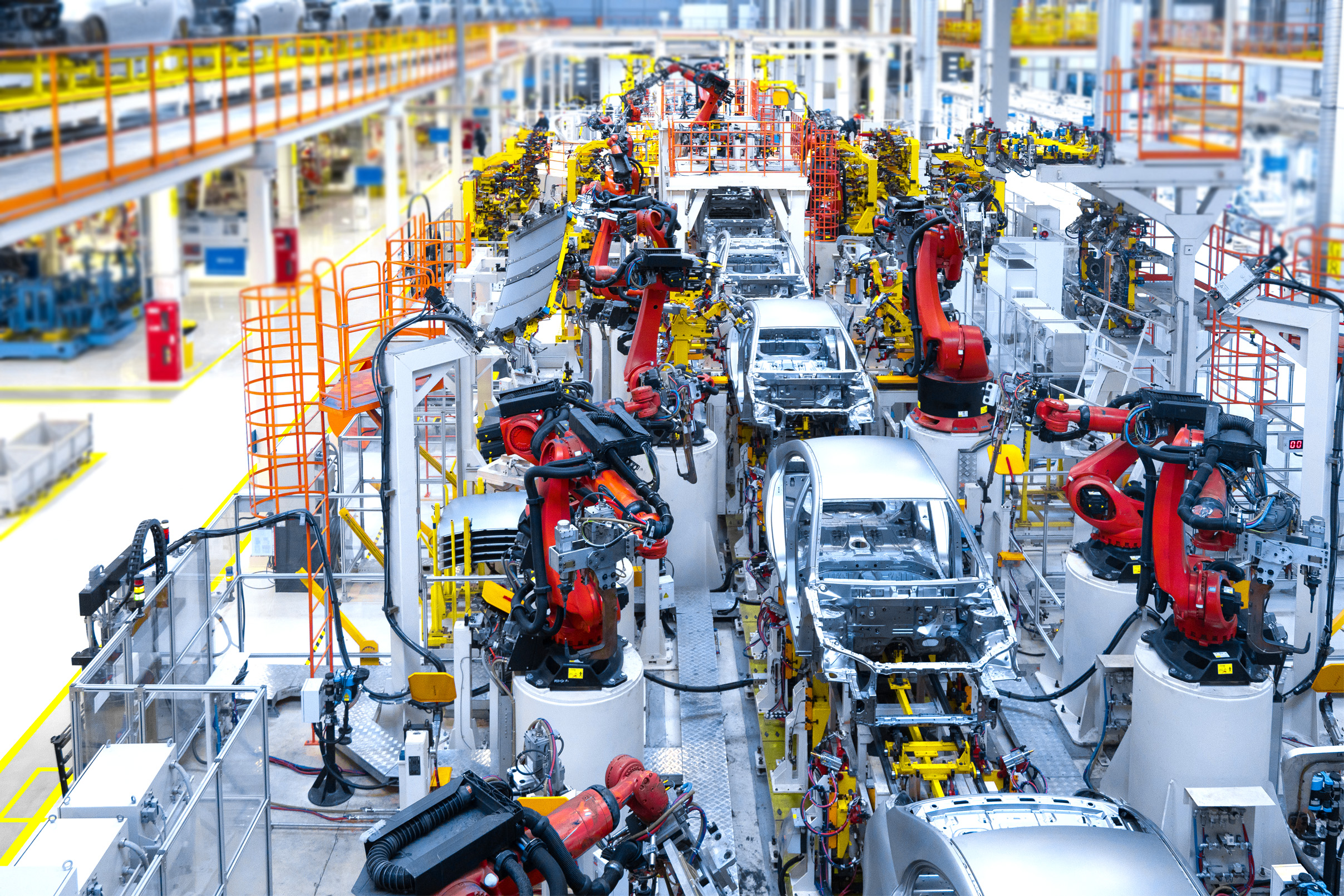
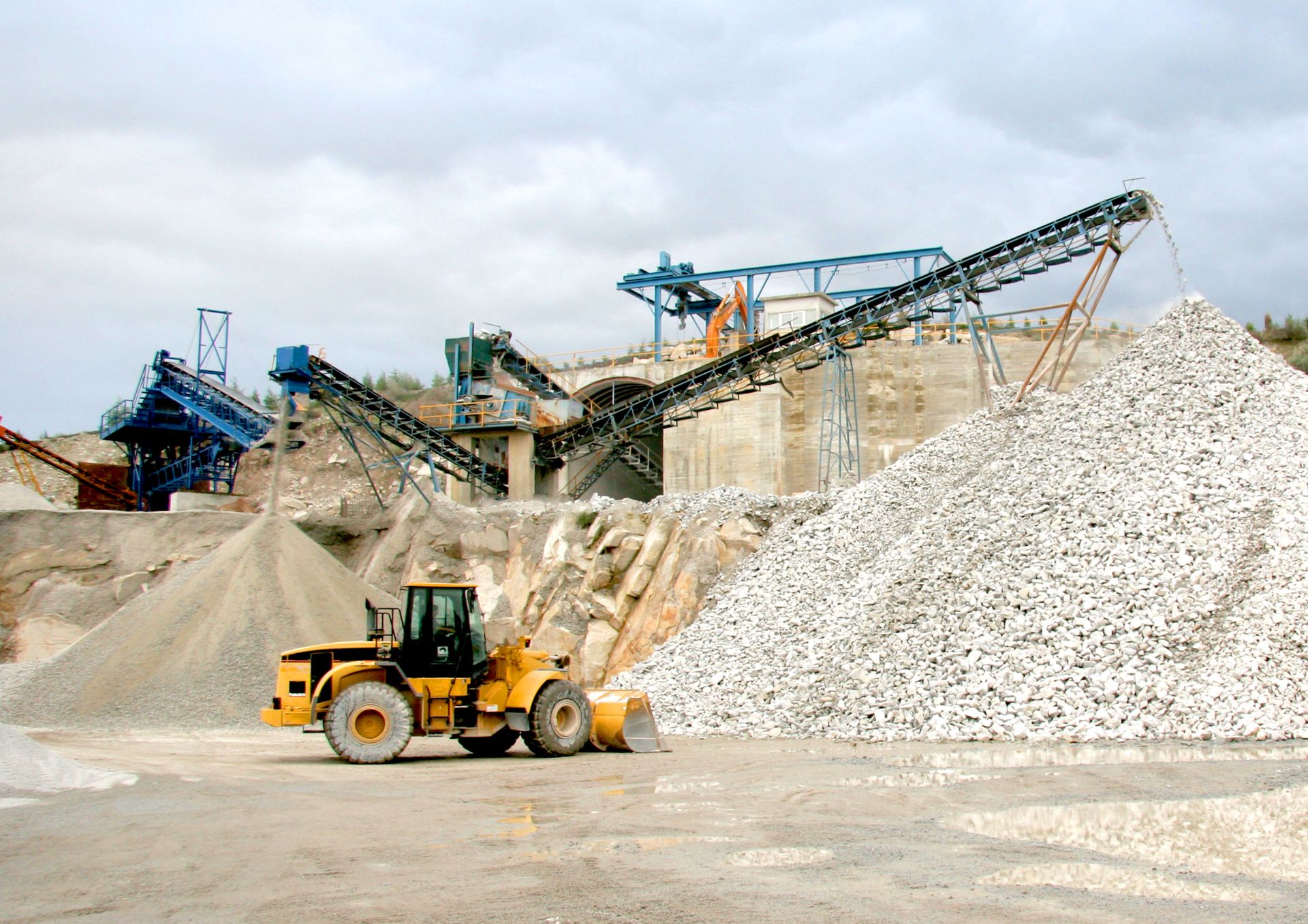
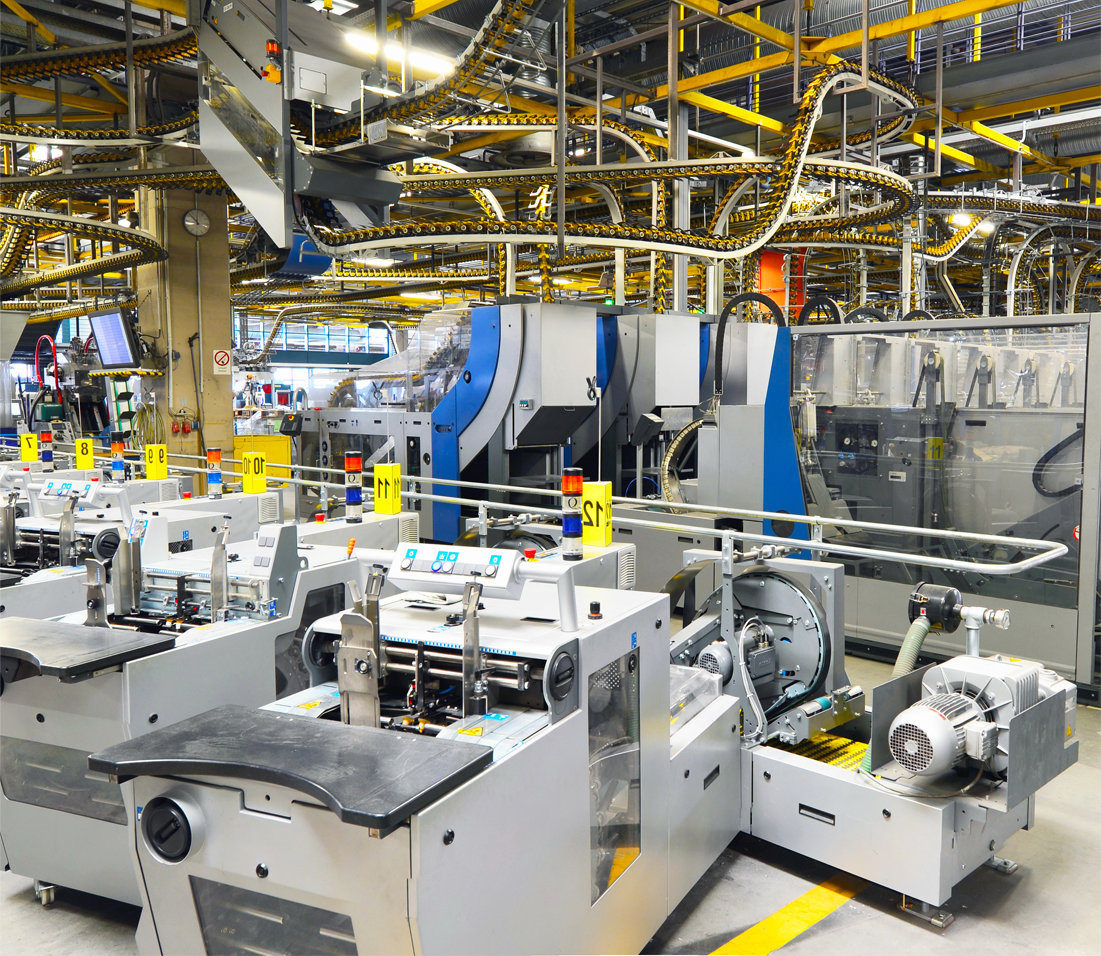
Self-aligning ball bearings are used wherever shaft misalignment is likely, whether due to long shaft spans, installation tolerances, or the operating environment. Common applications include:
- Conveyor systems – supporting long shaft runs where perfect alignment is difficult to maintain
- Agricultural machinery – equipment operating on uneven ground or subject to shaft flex under load
- Fans and blowers – supporting shafts in HVAC and industrial ventilation systems
- Cranes and elevator equipment – track and guidance systems requiring reliable, misalignment-tolerant support
- Rail and transport – rolling stock and transport machinery subject to vibration and shaft movement
- Textile machinery – supporting rollers and shafts across production lines
- Pumps and gearboxes – reducing stress on bearings caused by housing or shaft misalignment
- General manufacturing plant – installations where housing bores may not be perfectly aligned during construction or maintenance
We supply self-aligning ball bearings to manufacturing and engineering businesses throughout Telford, Shropshire, and the wider West Midlands, supporting local industry with fast access to a well-stocked range.
Self-Aligning Ball Bearings vs. Rigid Ball Bearings: Key Differences
Feature
Self-Aligning Ball Bearings
Rigid (Deep Groove) Ball Bearings
Outer Raceway Design
Spherical, allowing internal pivoting
Fixed, with no built-in pivoting capability
Ball Arrangement
Double row
Typically single row
Misalignment Tolerance
Accommodates angular misalignment automatically
Requires precise shaft and housing alignment
Installation Tolerance
More forgiving of minor installation error
More forgiving of minor installation error
Typical Load Capacity
Good, though generally lower than equivalent rigid designs
Often higher for a given size, when properly aligned
Best Suited To
Long shafts, uneven mounting surfaces, or variable loading
Applications where precise alignment can be guaranteed
Risk If Misaligned
Low — designed to accommodate this
High — can lead to premature wear or failure
Benefits of Self-Aligning Ball Bearings
Choosing the Right Self-Aligning Ball Bearing
Selecting the correct self-aligning ball bearing depends on factors such as load type and magnitude, expected degree of misalignment, rotational speed, bore type, and operating environment. Our team, based locally in Telford, can help you identify the right self-aligning ball bearing for your specific application, contact us to discuss your requirements or visit us to discuss your needs in person.
How Can Bearing Depot Help?
Seek Product Support
Looking for more information about our products or have any questions? Submit our contact form and one of our specialists will be in touch with you as soon as possible.
Alternatively, you can:
Call us at
01952 676925
Email us at
sales@bearingdepot.co.uk